Oruro, Bolivia
📊 Scores
Best fit: FIRE / Geoarbitrage (score: 77)
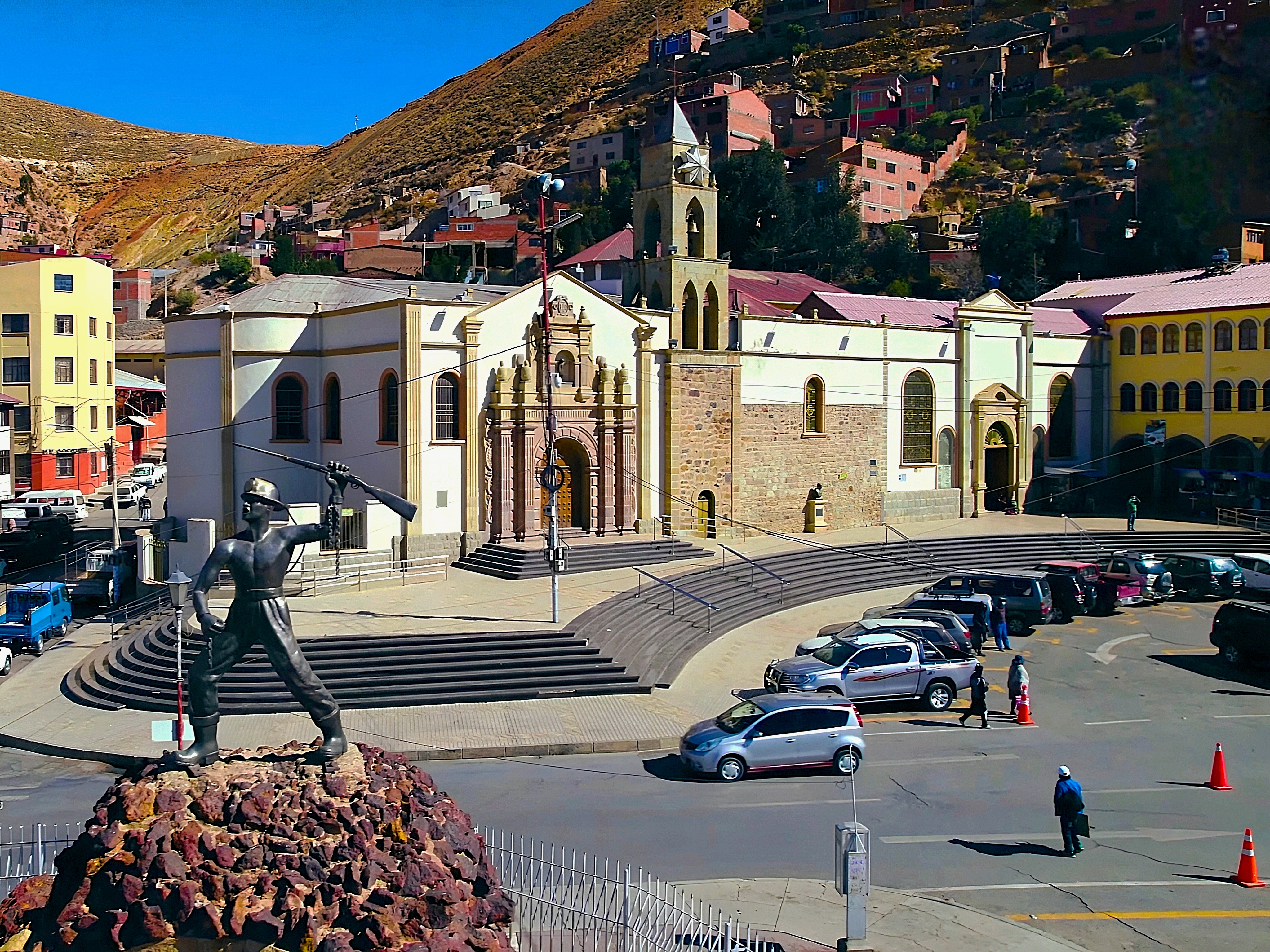
Mining drives everything here, from tin and tungsten extraction to the boom-bust cycles that define local employment. The industry still employs much of the workforce, supplemented by regional commerce and small manufacturing. Government jobs provide stability as the departmental capital, while informal trade thrives around the mining economy. Economic diversification efforts exist but remain limited — when commodity prices drop, the whole city feels it. Expect salary ranges well below international standards, with most locals earning $200-400 monthly.
Rent averages $250 monthly for a one-bedroom in the center, making housing genuinely affordable even on modest incomes. The 3,709-meter altitude hits hard initially — expect weeks of adjustment and ongoing fatigue. Public transport consists of minibuses and shared taxis for under $0.50 per ride. Healthcare is basic with limited English-speaking doctors. Spanish fluency is essential; English gets you nowhere. Bureaucracy moves slowly but isn't particularly complex compared to other Bolivian cities.
Winters are brutally cold with nighttime temperatures dropping below freezing, while days can be pleasant if sunny. Food centers on hearty altiplano staples — potatoes, quinoa, llama meat — with limited international options. The February Carnival brings genuine international attention, but the rest of the year social life revolves around local cantinas and family gatherings. The expat community is virtually nonexistent. This suits mining professionals, anthropologists, or extreme budget travelers seeking authentic Bolivian highland culture.
Estimate the cost of moving to Oruro, Bolivia
Get a free moving cost estimate for moving to Oruro, Bolivia. Takes 10 seconds.
How much are you shipping?
When are you moving?
Powered by Sirelo. Free quotes from verified international movers.
🏚️ Cost of Living
💰 Budgets and Costs
Budgets (excl. rent)
These exclude rent. The tiers above are all-in monthly budgets.
Grocery Basket
Eating Out
Utilities & Lifestyle
Housing
A 1BR in the center runs about $250/mo. If your income is in another currency, bank FX fees add up. A multi-currency account can cut that cost.
See low-fee transfersWe may earn a commission at no cost to you.
🛡️ Safety & Crime
(Higher is safer)
(Lower is safer)
Oruro presents moderate safety challenges typical of mid-sized Bolivian cities. Petty theft, pickpocketing, and street robbery occur regularly, particularly in central commercial areas and during festivals. Avoid displaying valuables, traveling alone at night, and the neighborhoods surrounding the bus terminal. Gang activity and drug-related violence exist but typically don't target expats directly. Political unrest and roadblocks can occur during labor disputes or elections, occasionally disrupting movement. For remote workers with situational awareness and basic precautions, Oruro is manageable, but it's not a relaxed retirement destination—consider it a working expat city requiring vigilance.
Oruro has a safety index of 48/100. Petty theft and lost belongings are the most common problems for newcomers. Compare travel insurance before you go.
Compare travel insuranceWe may earn a commission at no cost to you.
🏥 Healthcare
🌤️ Climate
Best Months
Climate Notes
Oruro has a cool, dry highland climate with mild summers (around 24°C) and cold winters (down to -5°C), featuring distinct dry and wet seasons with low humidity year-round.
💻 Digital Nomad
Community Notes
| Name | Price/mo | Notes |
|---|---|---|
| Impact Hub Oruro | $45 | Part of a global network, Impact Hub Oruro offers a collaborative environment focused on social impact. Located in the city center, it provides a community-focused vibe, ideal for digital nomads seeking connections and meaningful work. |
| Espacio Coworking Oruro | $35 | A locally-owned coworking space that provides a more intimate and personalized experience. Located near the main plaza, it's a good option for those seeking a budget-friendly and centrally located workspace. |
Planning to live in Oruro long-term? Bolivia Digital Nomad Visa lets remote workers live legally.
View full requirements →Working remotely from Oruro? Nomad health insurance covers you across borders, month to month.
See nomad insuranceWe may earn a commission at no cost to you.
🧳 Expat Life
Expat Life Notes
Oruro is famous for its UNESCO-protected Carnival. The expat community is minimal, centered around the local mining industry and folk researchers.
Pros
- ✓ Unique cultural heritage
- ✓ Vibrant folklore
- ✓ Low cost of living
Cons
- ✗ Extreme high-altitude climate
- ✗ Industrial mining environment
- ✗ Lack of English infrastructure
🛂 Visa Options for Bolivia
Many long-stay visas require proof of health insurance. Compare international health plans before you apply.
Compare health insuranceWe may earn a commission at no cost to you.
Not sure which Bolivia visa you qualify for?
Answer 10 questions and get a personalized match in under 2 minutes.
Could living/working in Oruro cut years off your work life?
With a 1-bedroom in the center at $250/mo, your FIRE number here might be much lower than you think.
More Cities to Consider instead of Oruro
Frequently Asked Questions about Oruro
Click any question to expand the answer.
Share This Guide
Oruro won't stay this cheap forever.
Cost-of-living and visa updates for Oruro and the rest of Bolivia. Free with RA Postcards.
By submitting your email address, you will receive a free subscription to RA Postcards and special offers from Rewire Abroad and our affiliates. You can unsubscribe at any time, and we encourage you to read more about our Privacy Policy.