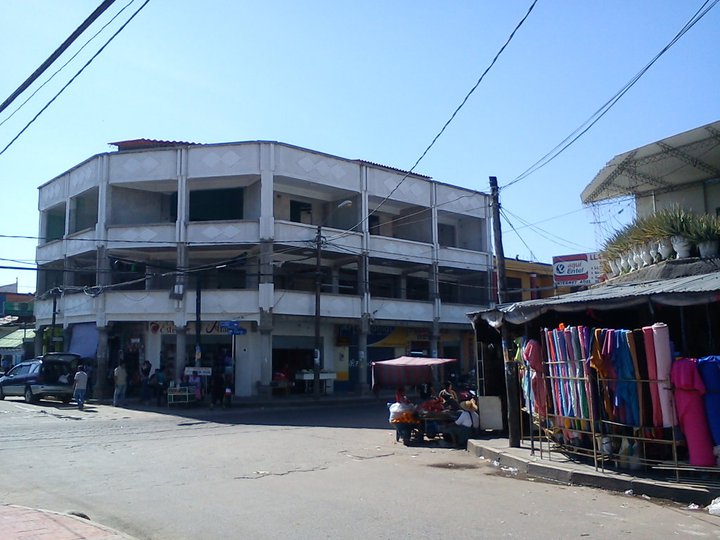
Montero, Bolivia
Data updated Sep 3, 2026
📊 Scores
Best fit: FIRE / Geoarbitrage (score: 74)
Agriculture dominates everything here — soybeans, cotton, corn, and rice fuel an economy built around commodity exports and processing. Major agribusiness companies employ most locals, from field workers earning $200-400 monthly to agricultural engineers and logistics coordinators making $600-1,200. The job market revolves entirely around farming cycles and export demand, meaning work can be seasonal and vulnerable to global commodity price swings. Remote work opportunities are practically nonexistent, and most employment requires Spanish fluency plus agricultural sector connections.
Rent averages $280 monthly for a city center one-bedroom, with utilities adding another $40-60. Public transport consists of basic bus routes and shared taxis costing $0.30-0.50 per ride, though most residents rely on motorcycles or cars for reliable mobility. Healthcare means a few basic clinics for routine care, but serious medical issues require the 50km trip to Santa Cruz de la Sierra. Spanish is essential — English speakers are rare outside occasional agribusiness offices. Bureaucracy moves at typical Bolivian pace, meaning patience and local contacts help significantly.
The subtropical climate stays around 23°C year-round with distinct wet and dry seasons that dictate social rhythms. Food centers on hearty Bolivian staples — rice, beans, grilled meats, and fresh tropical fruits from surrounding farms. Nightlife consists of a few local bars and weekend family gatherings, while the expat community numbers maybe a dozen foreign agricultural consultants and missionaries. Weekends mean trips to Santa Cruz for shopping and entertainment, or exploring nearby rural areas. This city works for agricultural professionals seeking lower costs and direct industry involvement, not digital nomads or retirees wanting urban amenities.
🏚️ Cost of Living
💰 Budgets and Costs
Grocery Basket
Eating Out
Utilities & Lifestyle
Housing
A 1BR in the center runs about $280/mo. If your income is in another currency, bank FX fees add up. A multi-currency account can cut that cost.
See low-fee transfersWe may earn a commission at no cost to you.
💰 Real Spend Reports
🛡️ Safety & Crime
(Higher is safer)
(Lower is safer)
Montero presents moderate safety concerns typical of mid-sized Bolivian cities. While not among Bolivia's most dangerous areas, petty theft, robbery, and vehicle break-ins occur regularly, particularly in central commercial zones and after dark. Gang activity exists but is less prominent than in La Paz or Santa Cruz. Avoid displaying valuables, use registered taxis, and stay out of peripheral neighborhoods at night. The city's informal economy and limited police presence mean crime often goes unreported. For expats with situational awareness and established local networks, Montero is manageable, but it's not a relaxed retirement destination—better suited for those comfortable with moderate urban risk.
Montero has a safety index of 45/100. Petty theft and lost belongings are the most common problems for newcomers. Compare travel insurance before you go.
Compare travel insuranceWe may earn a commission at no cost to you.
🏥 Healthcare
🌤️ Climate
Best Months
Climate Notes
Montero has a tropical climate with hot, humid summers (September to March reaching 40°C) and mild winters (June to August around 8°C), featuring a distinct rainy season from November to March that expats should plan around.
💻 Digital Nomad
Community Notes
| Name | Price/mo | Notes |
|---|---|---|
| Coworking Montero | $60 | A popular local option in Montero, offering a friendly atmosphere and essential amenities. Located centrally, it's a good choice for those seeking a community vibe and affordable rates. |
| Espacio Cowork | $75 | Located in a convenient area of Montero, Espacio Cowork provides a professional environment with reliable internet and comfortable workspaces. It's a solid option for digital nomads needing a focused work setting. |
Planning to live in Montero long-term? Bolivia Digital Nomad Visa lets remote workers live legally.
View full requirements →Working remotely from Montero? Nomad health insurance covers you across borders, month to month.
See nomad insuranceWe may earn a commission at no cost to you.
🧳 Expat Life
Expat Life Notes
Montero is the agricultural capital of Bolivia. It has a small presence of foreigners associated with the sugar and soy industry.
Pros
- ✓ Booming agribusiness economy
- ✓ Lower altitude than the highlands
- ✓ Low cost of living
Cons
- ✗ Lacks recreational facilities
- ✗ Intense tropical humidity
- ✗ Very limited English spoken
🛂 Visa Options for Bolivia
Many long-stay visas require proof of health insurance. Compare international health plans before you apply.
Compare health insuranceWe may earn a commission at no cost to you.
Not sure which Bolivia visa you qualify for?
Answer 10 questions and get a personalized match in under 2 minutes.
Could living/working in Montero cut years off your work life?
With a 1-bedroom in the center at $168/mo, your FIRE number here might be much lower than you think.
Moving to Montero? Estimate what an international move would cost and compare mover quotes.
Estimate my move costShare This Guide
Montero won't stay this cheap forever.
Cost-of-living and visa updates for Montero and the rest of Bolivia. Free with RA Postcards.
By submitting your email address, you will receive a free subscription to RA Postcards and special offers from Rewire Abroad and our affiliates. You can unsubscribe at any time, and we encourage you to read more about our Privacy Policy.