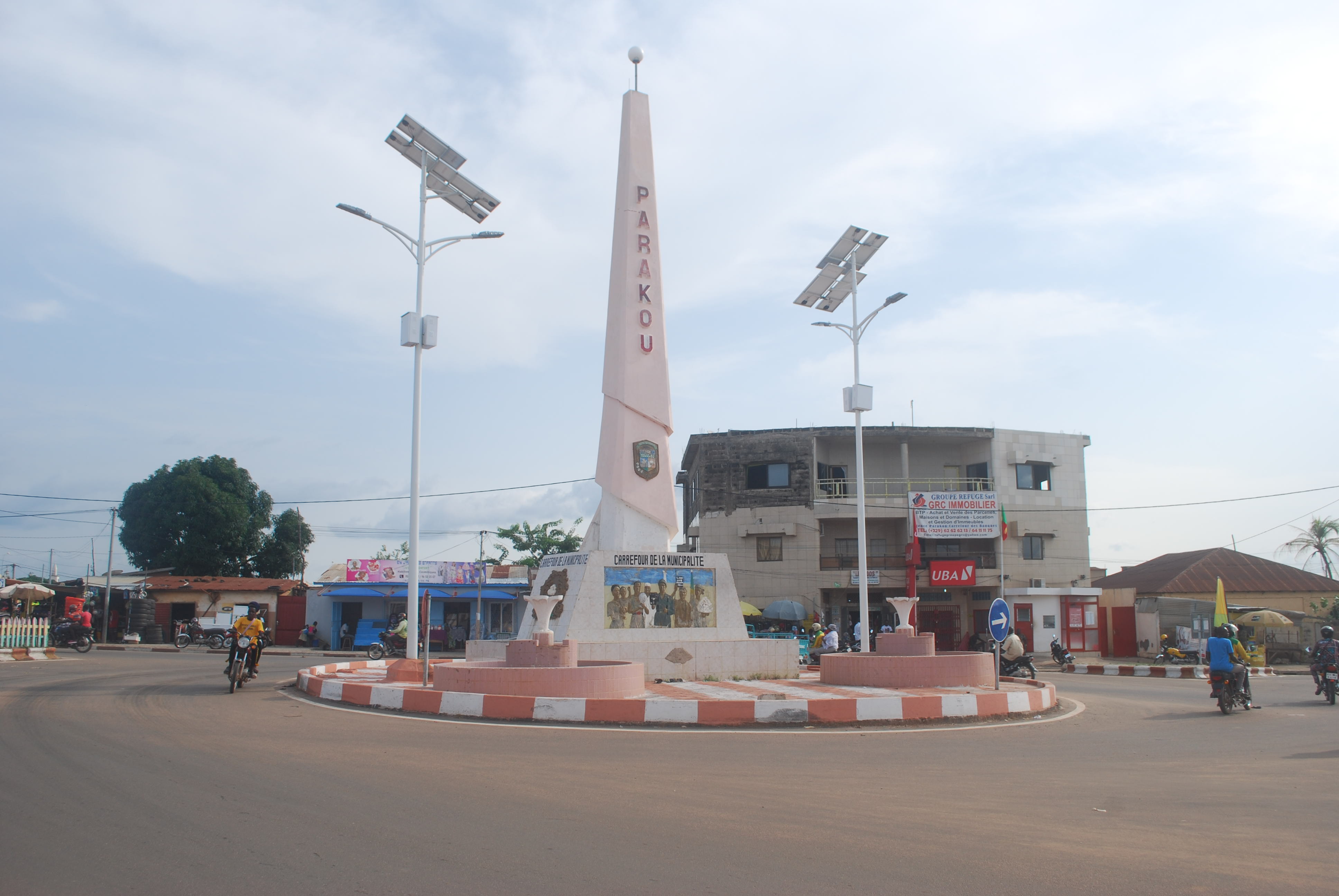
Parakou, Benin
Data updated Sep 3, 2026
📊 Scores
Cotton drives everything here — processing plants, trading houses, and textile operations employ thousands while connecting Parakou to European markets. The Grand Marché Arzeke sprawls across a city block with 500-1000 vendors moving agricultural products, textiles, and consumer goods to six neighboring countries. Peanut oil manufacturing, brewing, and livestock trading round out the economy, but this is fundamentally a commodity hub where fortunes rise and fall with harvest cycles and global cotton prices.
Rent runs $280/month for a decent one-bedroom in the center, though expect basic amenities and inconsistent utilities. French is essential for any serious business or bureaucracy — local languages dominate daily life but won't get you through permit applications. Healthcare exists but is limited; serious medical issues mean a trip to Cotonou. The railway to the coast works sporadically, and while RNIE 2 highway connects you north-south, road conditions vary dramatically by season.
Dry season heat hits 40°C regularly, while wet season brings flooding and humidity that makes everything sticky. The market culture is genuinely vibrant — eight major ethnic groups create a trading atmosphere unlike anywhere else in West Africa. Weekend options center around the market, local bars, and regional travel, though entertainment is limited compared to coastal cities. This suits commodity traders, development workers, and anyone fascinated by authentic West African commercial culture.
🏚️ Cost of Living
💰 Budgets and Costs
Grocery Basket
Eating Out
Utilities & Lifestyle
Housing
A 1BR in the center runs about $280/mo. If your income is in another currency, bank FX fees add up. A multi-currency account can cut that cost.
See low-fee transfersWe may earn a commission at no cost to you.
💰 Real Spend Reports
🛡️ Safety & Crime
(Higher is safer)
(Lower is safer)
Parakou presents moderate safety challenges typical of a secondary city in Benin. Petty theft, pickpocketing, and armed robbery occur, particularly after dark and in crowded markets. Avoid displaying valuables, traveling alone at night, and the poorest neighborhoods. Political instability in northern Benin and occasional jihadist activity in the Sahel region warrant awareness, though Parakou itself remains relatively insulated. Healthcare and emergency services are limited. For expats with street smarts and reasonable precautions, it's manageable; for those seeking low-stress living, consider larger cities like Cotonou with better infrastructure and security presence.
Parakou has a safety index of 55/100. Petty theft and lost belongings are the most common problems for newcomers. Compare travel insurance before you go.
Compare travel insuranceWe may earn a commission at no cost to you.
🏥 Healthcare
🌤️ Climate
Best Months
Climate Notes
Parakou has a hot tropical savanna climate with a warm, humid rainy season (May-October) and a hot, drier harmattan season (November-April), requiring adaptation to intense heat and seasonal rainfall patterns.
💻 Digital Nomad
Community Notes
| Name | Price/mo | Notes |
|---|---|---|
| Espace de Coworking Le Hub | $40 | Located in the heart of Parakou, Le Hub offers a vibrant community and reliable internet, making it ideal for digital nomads. It's known for its collaborative atmosphere and central location near restaurants and shops. |
| Centre d'Incubation et de Formation aux Métiers (CIFM) | $30 | While primarily an incubator, CIFM offers coworking spaces with essential amenities like stable internet and meeting rooms. It's a good option for those seeking a professional environment and networking opportunities within the local business community, located near the Chamber of Commerce. |
Working remotely from Parakou? Nomad health insurance covers you across borders, month to month.
See nomad insuranceWe may earn a commission at no cost to you.
🧳 Expat Life
Expat Life Notes
Parakou is the largest city in northern Benin. It has a small expat population of NGO workers, teachers, and missionaries.
Pros
- ✓ Gateway to northern Benin
- ✓ Lively market atmosphere
- ✓ Lower humidity than the south
Cons
- ✗ Very hot climate
- ✗ Limited Western amenities
- ✗ Isolated from the capital
Could living/working in Parakou cut years off your work life?
With a 1-bedroom in the center at $224/mo, your FIRE number here might be much lower than you think.
Moving to Parakou? Estimate what an international move would cost and compare mover quotes.
Estimate my move costShare This Guide
Parakou won't stay this cheap forever.
Cost-of-living and visa updates for Parakou and the rest of Benin. Free with RA Postcards.
By submitting your email address, you will receive a free subscription to RA Postcards and special offers from Rewire Abroad and our affiliates. You can unsubscribe at any time, and we encourage you to read more about our Privacy Policy.