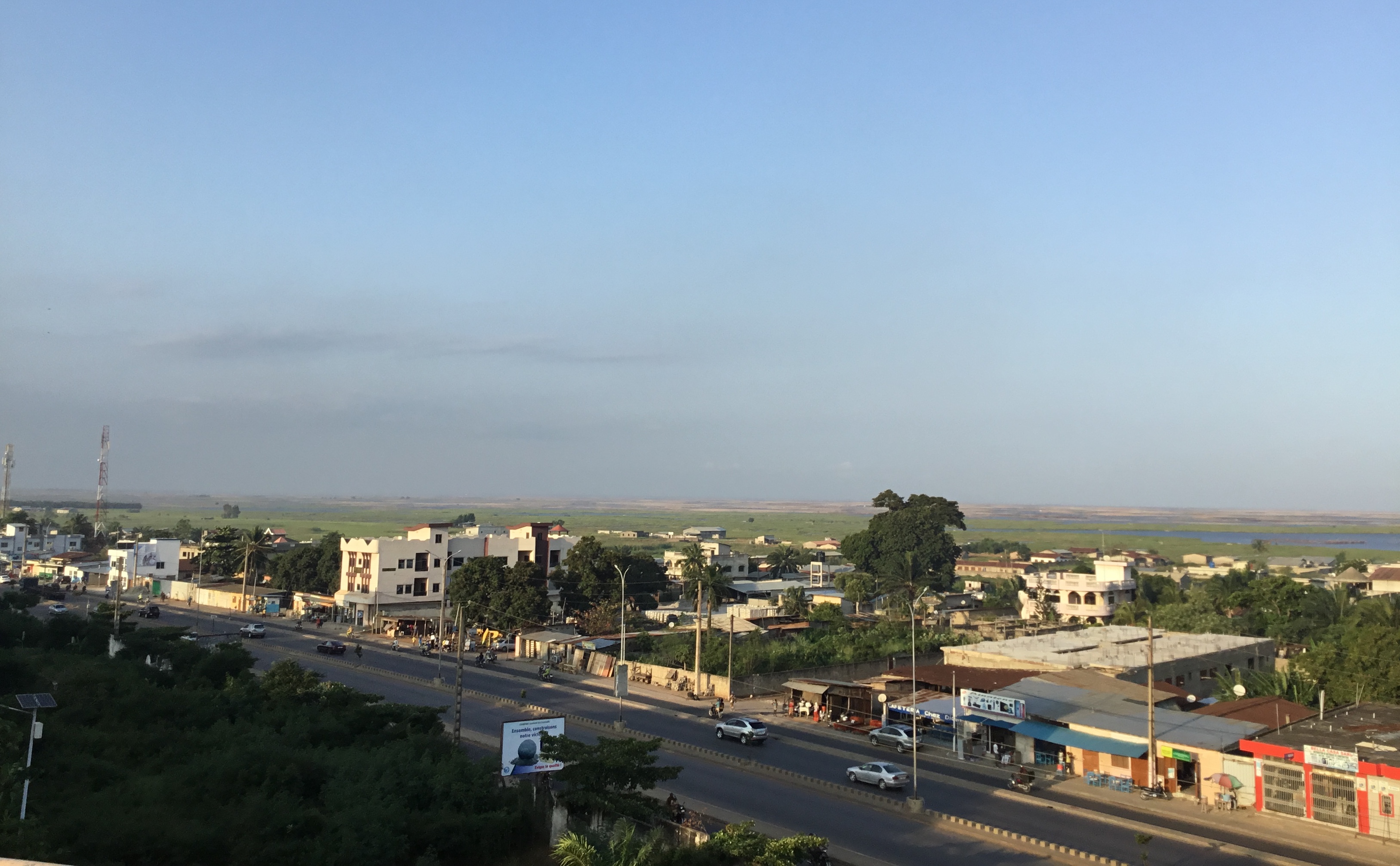
Abomey-Calavi, Benin
Data updated Sep 29, 2026
📊 Scores
Best fit: FIRE / Geoarbitrage (score: 78)
Functioning essentially as Cotonou's bedroom community, the local economy runs on a mix of subsistence agriculture, livestock, fishing, petty trade, and informal transport — think zemijans (motorcycle taxis) everywhere. The University of Abomey-Calavi, one of West Africa's larger public universities, generates some academic and administrative employment, but formal white-collar jobs are scarce and mostly require commuting the 18 km into Cotonou. Remote workers and digital nomads are the realistic expat earners here; anyone expecting a local job market is going to be disappointed fast.
A one-bedroom in the city center runs around $400/month, which is reasonable but not dramatically cheap given infrastructure limitations — power cuts are frequent and water supply unreliable, so budget for a generator and filtration. Healthcare means serious trips into Cotonou; local clinics handle basics but nothing complex. French is the official language and English gets you almost nowhere outside expat circles, so functional French is genuinely necessary, not optional. Bureaucracy for residency and business registration is slow and paper-heavy, and processes that should take days routinely take weeks.
The climate is hot and humid year-round, with two rainy seasons that turn unpaved roads into genuine obstacles. Local food — grilled fish, akassa, amiwo — is good and cheap at market stalls. The fetish market and Voodoo cultural sites are genuinely fascinating rather than tourist-packaged. The expat community is small and skews toward NGO workers and academics rather than retirees or nomads. Weekends mean Cotonou for anything beyond local markets and beach access. This city suits frugal, French-speaking remote workers or researchers who want deep West African immersion without paying Cotonou prices.
🏚️ Cost of Living
💰 Budgets and Costs
Grocery Basket
Eating Out
Utilities & Lifestyle
Housing
A 1BR in the center runs about $400/mo. If your income is in another currency, bank FX fees add up. A multi-currency account can cut that cost.
See low-fee transfersWe may earn a commission at no cost to you.
💰 Real Spend Reports
🛡️ Safety & Crime
(Higher is safer)
(Lower is safer)
Abomey-Calavi presents moderate safety challenges typical of West African urban areas. Petty theft, pickpocketing, and armed robbery occur, particularly in crowded markets and after dark. Avoid displaying valuables, traveling alone at night, and the Cotonou port area. Carjacking and home invasions targeting expats are documented but not epidemic. Political stability is generally solid, though occasional protests occur. The city feels manageable for expats with street awareness and sensible precautions, but it's not a low-crime destination—expect vigilance as part of daily life.
Abomey-Calavi has a safety index of 55/100. Petty theft and lost belongings are the most common problems for newcomers. Compare travel insurance before you go.
Compare travel insuranceWe may earn a commission at no cost to you.
🏥 Healthcare
🌤️ Climate
Best Months
Climate Notes
Tropical savanna climate; consistently hot and humid.
💻 Digital Nomad
Community Notes
| Name | Price/mo | Notes |
|---|---|---|
| Espace de Coworking Le Hub | $60 | Located in the Godomey neighborhood, Le Hub offers a vibrant community and essential amenities like reliable internet and printing services. It's a popular spot for local entrepreneurs and visiting remote workers seeking a collaborative environment. |
| Cowork Benin | $75 | Situated in Cococodji, Cowork Benin provides a professional setting with private offices and shared workspaces. They offer 24/7 access, meeting rooms, and a supportive atmosphere, making it suitable for digital nomads needing flexibility. |
| Espace Open | $50 | Located in the heart of Abomey-Calavi, Espace Open offers a budget-friendly option with a focus on community and networking. It's a good choice for those seeking a simple workspace with reliable internet and a friendly atmosphere. |
Working remotely from Abomey-Calavi? Nomad health insurance covers you across borders, month to month.
See nomad insuranceWe may earn a commission at no cost to you.
🧳 Expat Life
Expat Life Notes
A satellite city to Cotonou. It hosts the university and some researchers, but is generally a local residential area.
Pros
- ✓ Lower rent than Cotonou
- ✓ Academic environment
Cons
- ✗ French is required
- ✗ Infrastructure is basic
- ✗ Limited leisure options
Could living/working in Abomey-Calavi cut years off your work life?
With a 1-bedroom in the center at $400/mo, your FIRE number here might be much lower than you think.
Moving to Abomey-Calavi? Estimate what an international move would cost and compare mover quotes.
Estimate my move costShare This Guide
Abomey-Calavi won't stay this cheap forever.
Cost-of-living and visa updates for Abomey-Calavi and the rest of Benin. Free with RA Postcards.
By submitting your email address, you will receive a free subscription to RA Postcards and special offers from Rewire Abroad and our affiliates. You can unsubscribe at any time, and we encourage you to read more about our Privacy Policy.