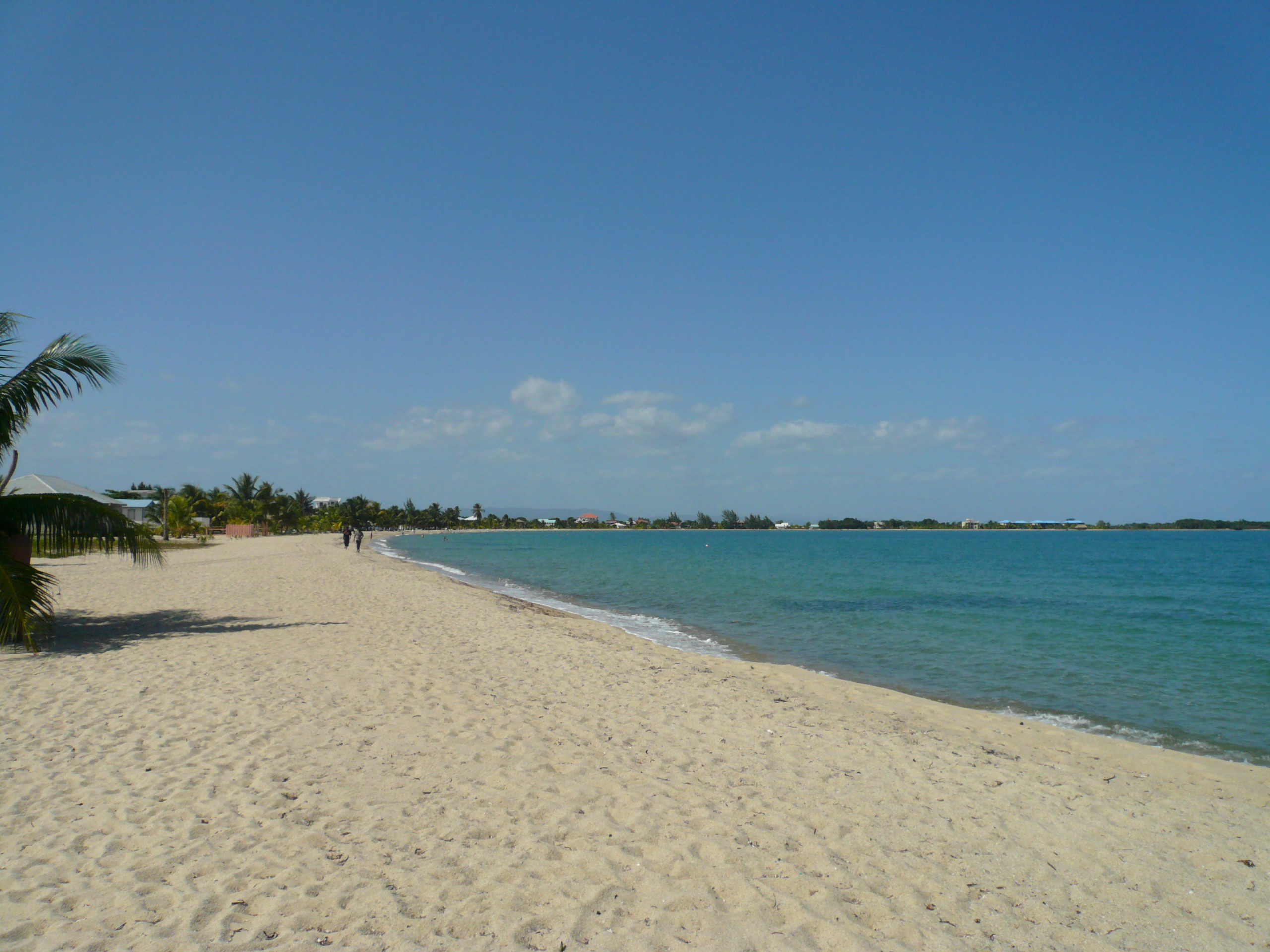
Placencia, Belize
Data updated Sep 3, 2026
📊 Scores
Best fit: FIRE / Geoarbitrage (score: 65)
Tourism dominates Placencia's economy entirely—diving, snorkeling, whale shark tours, fly fishing, and hospitality are the only real income sources. The village pivoted from fishing to tourism after Hurricane Iris flattened 95% of buildings in 2001, and developers rebuilt it as a resort destination. If you work remotely, you're fine. If you need local employment, you're looking at restaurant, bar, or tour operator jobs paying $12–18/hour, or running your own tourism business. Seasonal swings are brutal: Easter and April–July whale shark season boom; September–November are dead.
Rent runs $650–900/month for a one-bedroom in the village center, with imported goods pushing groceries 30–40% higher than mainland Belize. Water taxis and boats connect the 18-mile peninsula to the mainland; Placencia Airport handles small planes but flights are pricey. Healthcare is basic—serious issues require a boat to Dangriga or flight to Belize City. English is spoken widely, but Spanish helps. Bureaucracy for residency is straightforward compared to other countries, though property ownership requires patience and local legal help. Hurricane season (June–November) is real: Iris proved the peninsula's vulnerability.
Tropical heat, constant sea breeze, and a 282-person village mean you either love isolation or hate it. Weekends revolve around diving, snorkeling, beach bars, and the annual Lobster Fest and Peninsula Arts Festival. The expat community is small but tight—mostly retirees, remote workers, and dive shop owners. Food is fresh seafood and tourist-oriented restaurants; local Creole cooking exists but caters to visitors. Placencia suits remote workers seeking a quiet beach life, serious divers, or retirees with passive income—not people seeking nightlife, job opportunities, or anonymity.
🏚️ Cost of Living
💰 Budgets and Costs
Grocery Basket
Eating Out
Utilities & Lifestyle
Housing
A 1BR in the center runs about $1100/mo. If your income is in another currency, bank FX fees add up. A multi-currency account can cut that cost.
See low-fee transfersWe may earn a commission at no cost to you.
💰 Real Spend Reports
🛡️ Safety & Crime
(Higher is safer)
(Lower is safer)
Placencia is a quiet, small coastal village with a notably relaxed atmosphere and low violent crime rates—well-suited for expats seeking tranquility. The main concerns are petty theft and opportunistic break-ins rather than street violence; secure your home and avoid displaying valuables. Tourist-oriented scams exist but are minimal in this laid-back setting. The village's tiny population and tight-knit expat community create natural informal security. Primary risks are isolation (limited medical facilities, emergency services) and occasional gang activity in nearby larger towns—stay in Placencia proper and avoid Dangriga or Hopkins after dark. Overall, a genuinely safe choice for remote workers and retirees prioritizing peace over urban amenities.
Placencia has a safety index of 56/100. Petty theft and lost belongings are the most common problems for newcomers. Compare travel insurance before you go.
Compare travel insuranceWe may earn a commission at no cost to you.
🏥 Healthcare
🌤️ Climate
Best Months
Climate Notes
Placencia offers a tropical climate with warm, humid conditions year-round, hot and wet summers (May-November) with hurricane risk, and cooler, drier winters (December-April) that provide the most comfortable conditions for expats.
💻 Digital Nomad
Community Notes
| Name | Price/mo | Notes |
|---|---|---|
| The Shak Beach Cafe & Co-working | $150 | Located right on the beach in Placencia village, The Shak offers a relaxed, open-air coworking environment with reliable Wi-Fi and a cafe serving food and drinks. It's perfect for digital nomads who want to work with a view and enjoy the laid-back Belizean lifestyle. |
| Above Grounds Coffee | $100 | While primarily a coffee shop, Above Grounds provides a comfortable and productive atmosphere for remote work with strong Wi-Fi and a selection of coffee and snacks. It's centrally located in Placencia village, making it a convenient option for those staying nearby. |
Planning to live in Placencia long-term? Belize Work Where You Vacation Program lets remote workers live legally with a minimum income of $6,250/month.
View full requirements →Working remotely from Placencia? Nomad health insurance covers you across borders, month to month.
See nomad insuranceWe may earn a commission at no cost to you.
🧳 Expat Life
🛂 Visa Options for Belize
Many long-stay visas require proof of health insurance. Compare international health plans before you apply.
Compare health insuranceWe may earn a commission at no cost to you.
Living on investment or passive income? Belize Qualified Retired Persons Program may be the right fit — minimum $2,000/month required.
View full requirements →Earning over $2,000/mo? You may qualify for a Belize visa.
Answer 10 questions and get a personalized match in under 2 minutes.
Could living/working in Placencia cut years off your work life?
With a 1-bedroom in the center at $440/mo, your FIRE number here might be much lower than you think.
Moving to Placencia? Estimate what an international move would cost and compare mover quotes.
Estimate my move costShare This Guide
Placencia won't stay this cheap forever.
Cost-of-living and visa updates for Placencia and the rest of Belize. Free with RA Postcards.
By submitting your email address, you will receive a free subscription to RA Postcards and special offers from Rewire Abroad and our affiliates. You can unsubscribe at any time, and we encourage you to read more about our Privacy Policy.