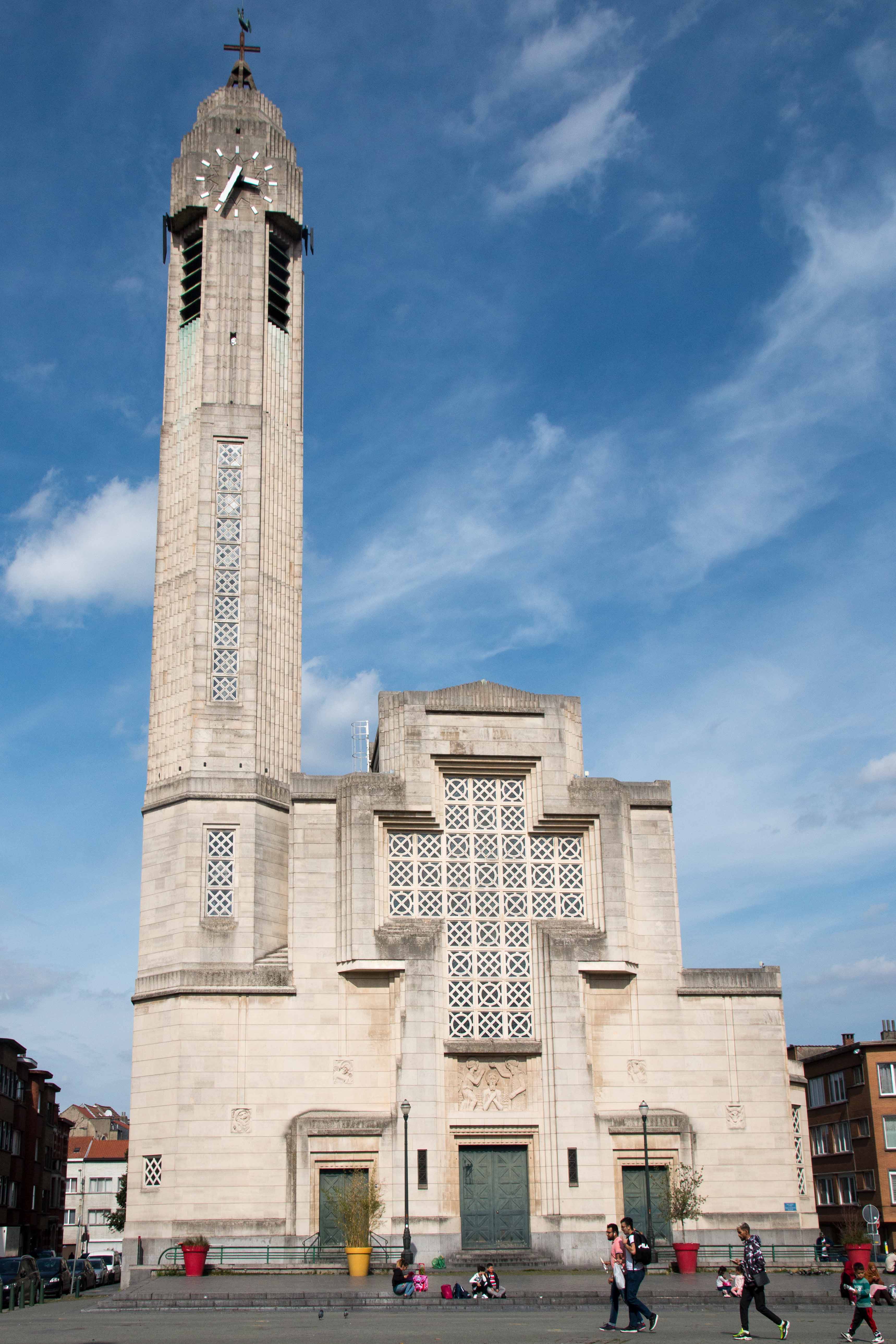
Molenbeek-Saint-Jean, Belgium
Data updated Sep 29, 2026
📊 Scores
Best fit: Digital Nomad (score: 68)
Molenbeek's economy is post-industrial and service-based—the factories that drove 19th-century growth are gone. Today, small retail, hospitality, and local services dominate. Most residents commute to central Brussels for white-collar work; others run family businesses or work in the gig economy. Unemployment runs higher than Brussels average. It's a working-class neighborhood, not a startup hub.
Rent for a one-bedroom in the center runs €900–$980/month, significantly cheaper than Brussels proper. Public transport is excellent—metro, tram, and bus connect you to central Brussels in 15–25 minutes. Healthcare access is straightforward if you speak French or English; bureaucracy for residency is standard EU friction. The neighborhood is dense (16,352 people/km²) and can feel cramped. Language barrier is real; Arabic and French dominate, English less common.
Winters are gray and wet; summers mild. Food scene is strong North African—couscous, tagine, fresh bread—plus standard Belgian fare. The expat community is small compared to central Brussels; most residents are long-term immigrant families. Weekends mean canal walks, local cafés, or heading to central Brussels. This suits budget-conscious remote workers and people comfortable in working-class, multicultural neighborhoods—not those seeking expat bubbles or nightlife.
🏚️ Cost of Living
💰 Budgets and Costs
Grocery Basket
Eating Out
Utilities & Lifestyle
Housing
A 1BR in the center runs about $980/mo. If your income is in another currency, bank FX fees add up. A multi-currency account can cut that cost.
See low-fee transfersWe may earn a commission at no cost to you.
💰 Real Spend Reports
🛡️ Safety & Crime
(Higher is safer)
(Lower is safer)
Molenbeek has a mixed safety profile typical of Brussels's working-class neighborhoods. While violent crime against expats is uncommon, petty theft, pickpocketing, and bike theft are regular concerns, especially near transit hubs and commercial areas. Drug-related activity and occasional street conflicts occur but rarely affect residents directly. The neighborhood feels safer during daylight; avoid isolated areas after dark. For American expats, the main practical risks are property crime and scams rather than personal safety threats. Exercise standard urban precautions—secure belongings, vary routines, stay aware—and you'll likely find it manageable.
Molenbeek-Saint-Jean has a safety index of 50/100. Petty theft and lost belongings are the most common problems for newcomers. Compare travel insurance before you go.
Compare travel insuranceWe may earn a commission at no cost to you.
🏥 Healthcare
🌤️ Climate
Best Months
Climate Notes
Molenbeek experiences a temperate oceanic climate with mild summers (around 31°C), cold winters (lows near -6°C), and high humidity year-round; expect frequent rain and overcast skies typical of northern Europe.
💻 Digital Nomad
Community Notes
| Name | Price/mo | Notes |
|---|---|---|
| Silversquare Central Station | $350 | While technically near the border of Molenbeek, its proximity to the Central Station makes it easily accessible. Silversquare offers a professional environment with networking opportunities, ideal for expats seeking a structured workspace. |
| Regus Brussels Grand Place | $300 | Located near the Grand Place, this Regus location provides a convenient and recognizable option for remote workers. It offers standard amenities and a professional atmosphere, suitable for those who prefer a more traditional coworking experience. |
| Factory Forty | $275 | Located in the heart of Brussels, Factory Forty is a unique coworking space with a focus on community and creativity. It's a great option for digital nomads looking for a more collaborative and inspiring environment. |
Planning to live in Molenbeek-Saint-Jean long-term? Belgium Digital Nomad Visa lets remote workers live legally with a minimum income of $765/month.
View full requirements →Working remotely from Molenbeek-Saint-Jean? Nomad health insurance covers you across borders, month to month.
See nomad insuranceWe may earn a commission at no cost to you.
🧳 Expat Life
Expat Life Notes
A highly diverse, working-class district of Brussels with a strong migrant and expat community but varied safety perception.
Pros
- ✓ Low cost of living for Brussels
- ✓ Extreme cultural diversity
- ✓ Great food markets
Cons
- ✗ Safety and crime perception
- ✗ Poor building upkeep in parts
- ✗ French is mandatory for daily life
🛂 Visa Options for Belgium
Many long-stay visas require proof of health insurance. Compare international health plans before you apply.
Compare health insuranceWe may earn a commission at no cost to you.
Earning over $765/mo? You may qualify for a Belgium visa.
Answer 10 questions and get a personalized match in under 2 minutes.
Could living/working in Molenbeek-Saint-Jean cut years off your work life?
With a 1-bedroom in the center at $588/mo, your FIRE number here might be much lower than you think.
Estimate the cost of moving to Molenbeek-Saint-Jean, Belgium
Get a free moving cost estimate for moving to Molenbeek-Saint-Jean, Belgium. Takes 10 seconds.
How much are you shipping?
When are you moving?
Powered by Sirelo. Free quotes from verified international movers.
Share This Guide
Molenbeek-Saint-Jean won't stay this cheap forever.
Cost-of-living and visa updates for Molenbeek-Saint-Jean and the rest of Belgium. Free with RA Postcards.
By submitting your email address, you will receive a free subscription to RA Postcards and special offers from Rewire Abroad and our affiliates. You can unsubscribe at any time, and we encourage you to read more about our Privacy Policy.