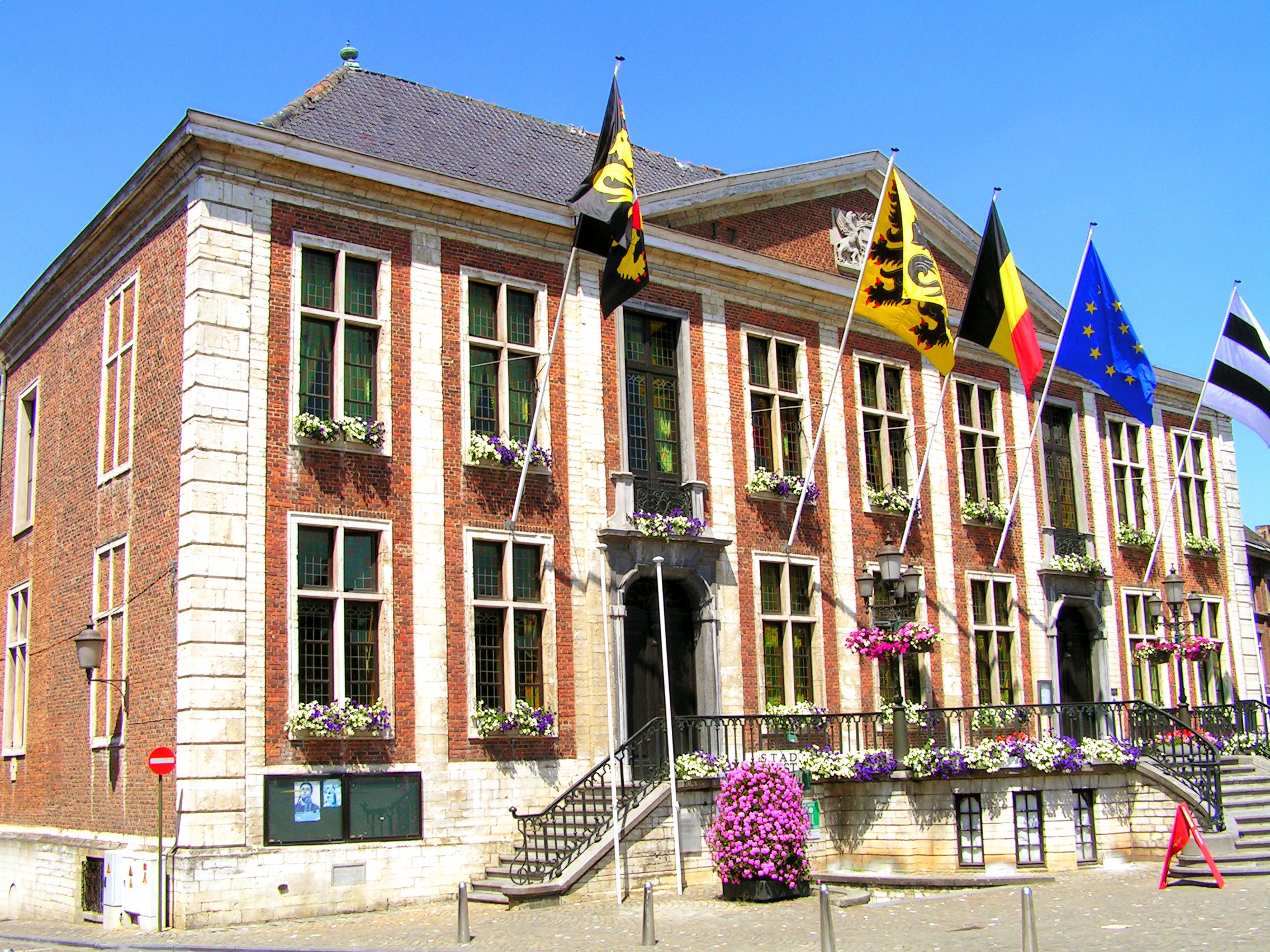
Diest, Belgium
Data updated Sep 3, 2026
📊 Scores
Diest's economy revolves around regional commerce, light manufacturing, and cultural tourism tied to its 16th–18th century architecture and the famous Hemony carillon. It's not a job hub—most employment is retail, hospitality, or small business. Serious remote workers and retirees thrive here; job seekers should expect to commute to Brussels (60 km, 45 minutes by train) or work online. The local economy is stable but modest, reflecting a mid-sized Flemish town, not a growth engine.
Rent for a one-bedroom city center runs €880/month; outside the center, expect €650–750. Transport is reliable—frequent trains to Brussels, local buses, and cycling infrastructure. Healthcare is excellent and accessible; most doctors speak English. Dutch is the official language; English works in tourism and younger circles, but daily life requires basic Flemish or Dutch. Bureaucracy is standard EU friction: residency permits, tax registration, and housing contracts are straightforward but document-heavy.
Winters are grey and damp (typical Belgium); summers mild. Food is solid Flemish fare—beer, frites, stews—with decent supermarkets and farmers' markets. The expat community is small and quiet; you'll find other remote workers and retirees, but no "expat scene." Weekends mean cycling through Hageland countryside, exploring medieval squares, or day-tripping to Brussels. Diest suits remote workers seeking affordable, peaceful small-town life with reliable infrastructure and no startup energy.
🏚️ Cost of Living
💰 Budgets and Costs
Grocery Basket
Eating Out
Utilities & Lifestyle
Housing
A 1BR in the center runs about $1093.55/mo. If your income is in another currency, bank FX fees add up. A multi-currency account can cut that cost.
See low-fee transfersWe may earn a commission at no cost to you.
💰 Real Spend Reports
🛡️ Safety & Crime
(Higher is safer)
(Lower is safer)
Diest is a genuinely safe small Flemish city with low violent crime and minimal street harassment—typical for Belgium's interior towns. Petty theft and bike theft occur but are manageable with standard precautions. The main risks are opportunistic rather than predatory: unattended bags, unlocked vehicles, and occasional package theft. No neighborhoods are genuinely dangerous; the city center and residential areas are walkable day and night. For an American accustomed to mid-sized U.S. cities, Diest feels noticeably safer. The primary adjustment is adapting to European cycling culture and occasional anti-American sentiment in casual conversation, though this rarely translates to personal risk. A solid choice for remote workers or retirees prioritizing security and quiet.
🏥 Healthcare
🌤️ Climate
Best Months
Climate Notes
Diest experiences a temperate climate with warm summers and cold winters, combined with its small size and limited industrial activity contributing to generally good air quality.
💻 Digital Nomad
Community Notes
| Name | Price/mo | Notes |
|---|---|---|
| Regus Diest | $220 | Located on the outskirts of Diest, this Regus offers a professional environment with private offices and coworking spaces. It's a reliable option with standard amenities, suitable for those who prefer a structured workspace and easy access by car. |
| Bar Stark | $150 | Bar Stark is a local bar that offers coworking spaces. It is located in the heart of Diest, making it easily accessible. It is a great option for those who want a more relaxed and social atmosphere. |
Planning to live in Diest long-term? Belgium Digital Nomad Visa lets remote workers live legally with a minimum income of $765/month.
View full requirements →Working remotely from Diest? Nomad health insurance covers you across borders, month to month.
See nomad insuranceWe may earn a commission at no cost to you.
🧳 Expat Life
Expat Life Notes
Diest is a historic Flemish town in Flemish Brabant with a tiny expat presence. Notable for its well-preserved old town. Leuven and Brussels are accessible. Dutch is the dominant and expected language.
Pros
- ✓ Charming historic center
- ✓ Low crime
- ✓ Good train connections
- ✓ Affordable for Belgium
Cons
- ✗ Dutch dominant
- ✗ No expat community
- ✗ Limited English
- ✗ No expat infrastructure
🛂 Visa Options for Belgium
Many long-stay visas require proof of health insurance. Compare international health plans before you apply.
Compare health insuranceWe may earn a commission at no cost to you.
Earning over $765/mo? You may qualify for a Belgium visa.
Answer 10 questions and get a personalized match in under 2 minutes.
Could living/working in Diest cut years off your work life?
With a 1-bedroom in the center at $437/mo, your FIRE number here might be much lower than you think.
Moving to Diest? Estimate what an international move would cost and compare mover quotes.
Estimate my move costShare This Guide
Diest won't stay this cheap forever.
Cost-of-living and visa updates for Diest and the rest of Belgium. Free with RA Postcards.
By submitting your email address, you will receive a free subscription to RA Postcards and special offers from Rewire Abroad and our affiliates. You can unsubscribe at any time, and we encourage you to read more about our Privacy Policy.