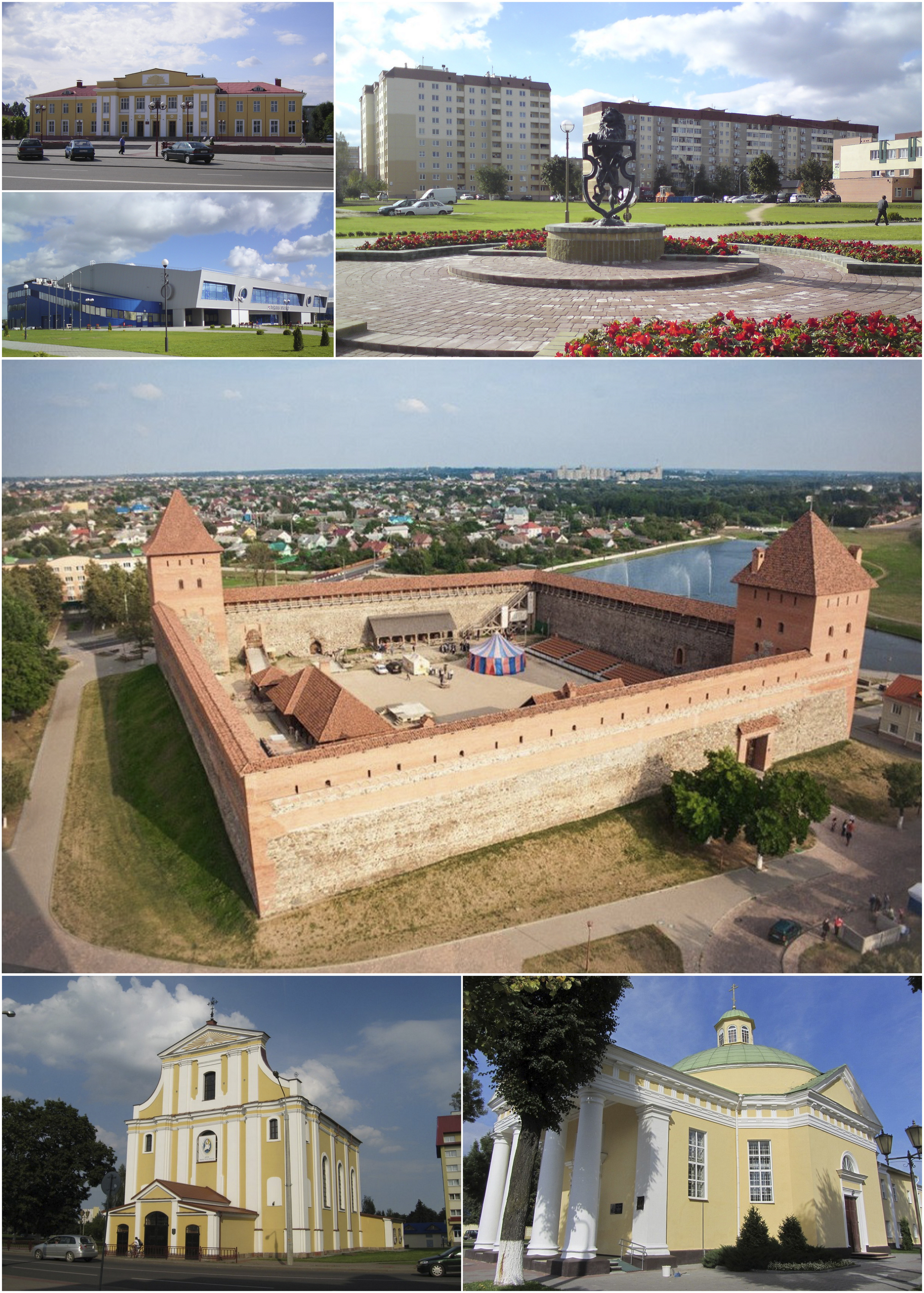
Lida, Belarus
Data updated Sep 3, 2026
📊 Scores
Best fit: FIRE / Geoarbitrage (score: 59)
Light manufacturing and food processing dominate the local economy, with several Soviet-era textile factories still churning out consumer goods alongside newer agricultural processing plants. Most locals work in these industrial facilities, regional government offices, or the growing retail sector that serves the surrounding agricultural district. Job opportunities for foreigners are extremely limited unless you're teaching English or working remotely, as the economy remains largely insular and state-influenced with minimal foreign investment.
Rent averages $160/month for a city center one-bedroom, with utilities adding another $40-50. Public transport relies on aging buses and marshrutkas costing around $0.30 per ride, though many residents walk or bike given the compact city size. Healthcare is state-provided but basic—serious medical issues require trips to Minsk or Vilnius. Russian is essential for daily life; English speakers are rare outside younger demographics. Bureaucracy moves at typical post-Soviet speed, meaning patience is mandatory for any official processes.
Winters hit -6°C with decent snow cover, while summers reach a pleasant 18°C perfect for exploring the medieval fortress ruins. The food scene centers on hearty Belarusian staples—draniki, machanka, and surprisingly good local beer. Weekend activities involve hiking nearby forests, visiting regional museums, or day trips to Vilnius (90 minutes by train). The expat community is virtually nonexistent. This suits remote workers seeking rock-bottom costs and those fascinated by authentic post-Soviet provincial life.
🏚️ Cost of Living
💰 Budgets and Costs
Grocery Basket
Eating Out
Utilities & Lifestyle
Housing
A 1BR in the center runs about $160/mo. If your income is in another currency, bank FX fees add up. A multi-currency account can cut that cost.
See low-fee transfersWe may earn a commission at no cost to you.
💰 Real Spend Reports
🛡️ Safety & Crime
(Higher is safer)
(Lower is safer)
Lida is a relatively safe regional city with low violent crime and a quiet, orderly atmosphere typical of provincial Belarus. Petty theft and pickpocketing occur occasionally in crowded areas, but serious crime against expats is uncommon. The main concerns are bureaucratic friction with local authorities, limited emergency services compared to Western standards, and the broader geopolitical context of Belarus—political tensions and international isolation mean fewer expat communities and less diplomatic support. For Americans comfortable with authoritarian governance and willing to navigate a less cosmopolitan environment, Lida poses minimal personal safety risks, though it requires realistic expectations about living in an isolated, politically sensitive country.
🏥 Healthcare
🌤️ Climate
Best Months
Climate Notes
Humid continental climate with relatively low annual precipitation.
💻 Digital Nomad
Community Notes
| Name | Price/mo | Notes |
|---|---|---|
| Lida Business Incubator | $50 | While not a traditional coworking space, the Lida Business Incubator offers affordable office space and resources for entrepreneurs and small businesses, including potential desk rentals. Located centrally, it provides a basic but functional workspace for budget-conscious remote workers. |
| Coworking Space (Unofficial/Potential) | $60 | Coworking spaces are still emerging in smaller Belarusian cities. Check local business centers or entrepreneurial hubs (often found through Google Maps or local forums) for shared office opportunities that may not be formally advertised as 'coworking'. These can offer a more community-focused experience. |
Working remotely from Lida? Nomad health insurance covers you across borders, month to month.
See nomad insuranceWe may earn a commission at no cost to you.
🧳 Expat Life
Expat Life Notes
Quiet regional hub. No foreign support networks.
Pros
- ✓ Safe local culture
Cons
- ✗ Isolation
- ✗ No social life
- ✗ Language barrier
Could living/working in Lida cut years off your work life?
With a 1-bedroom in the center at $96/mo, your FIRE number here might be much lower than you think.
Moving to Lida? Estimate what an international move would cost and compare mover quotes.
Estimate my move costShare This Guide
Lida won't stay this cheap forever.
Cost-of-living and visa updates for Lida and the rest of Belarus. Free with RA Postcards.
By submitting your email address, you will receive a free subscription to RA Postcards and special offers from Rewire Abroad and our affiliates. You can unsubscribe at any time, and we encourage you to read more about our Privacy Policy.