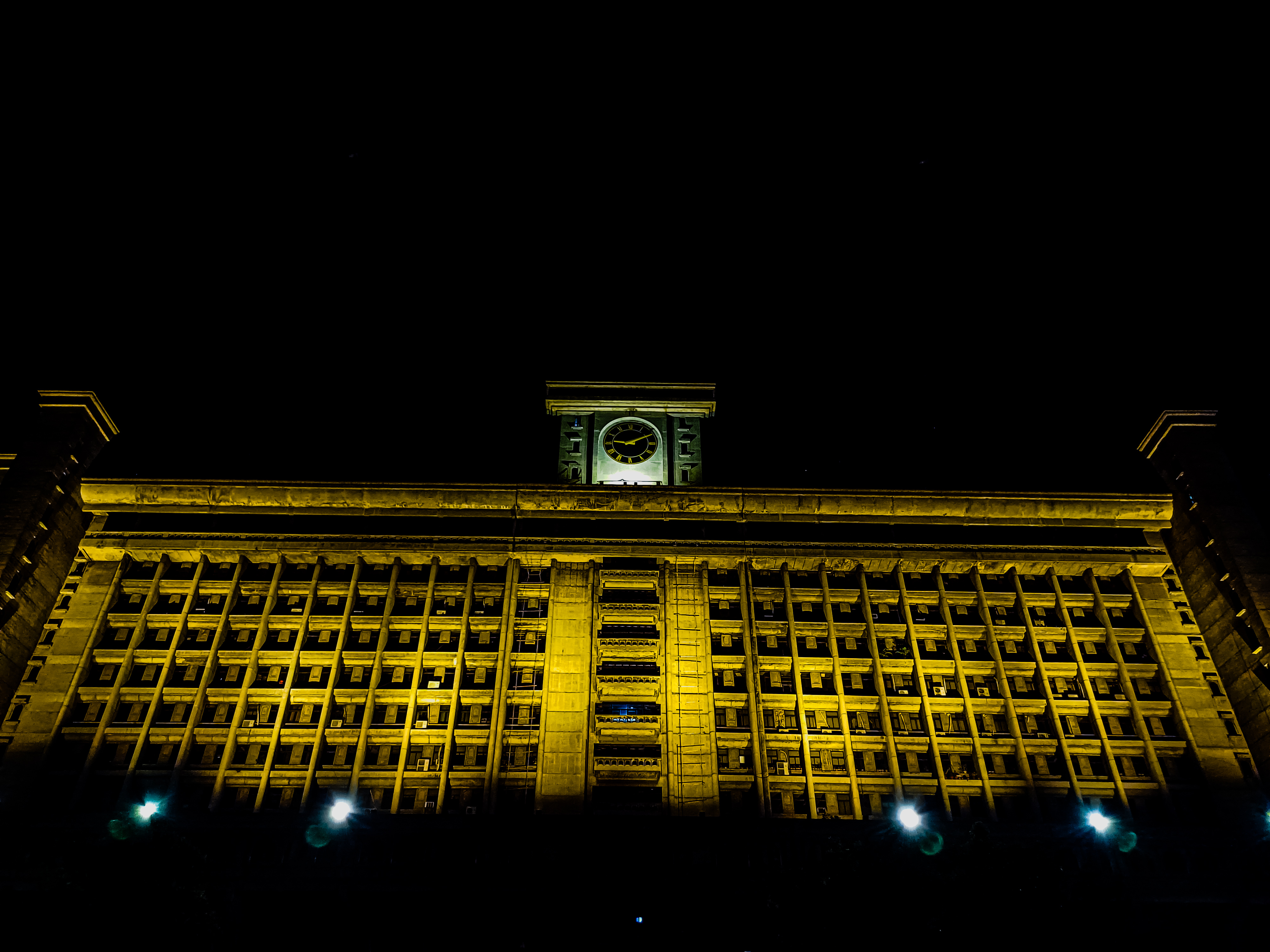
Shāhzādpur, Bangladesh
Data updated Sep 3, 2026
📊 Scores
Best fit: FIRE / Geoarbitrage (score: 71)
Agriculture runs this upazila, full stop. Rice cultivation dominates the local economy, with most residents either farming, trading agricultural inputs, or working in the small-scale processing and retail sectors that serve farming communities. There is no meaningful formal job market for knowledge workers or remote professionals — government administration, teaching, and NGO work account for most salaried positions. The population has grown from 420,000 to over 600,000 since 1991, which signals economic activity, but that activity is overwhelmingly informal and subsistence-adjacent.
A one-bedroom in the town center runs around $100/month, which is genuinely cheap, but the tradeoffs are real. Transport means buses to Sirajganj and beyond — no rail, no ride-hailing infrastructure worth relying on. Healthcare is limited to upazila-level facilities; anything serious means traveling to Dhaka or Rajshahi. Bengali is the only functional language here — English gets you nowhere outside a classroom. Bureaucracy follows Bangladesh's national pattern: slow, paper-heavy, and relationship-dependent. Expect friction on anything requiring official documentation.
Monsoon season from June through September means heavy flooding risk — this is not a minor inconvenience in rural Bangladesh, it can disrupt daily life for weeks. Winters are genuinely pleasant, dry and mild from November through February. Local food is cheap and good if you eat Bengali staples. The main cultural draw is Tagore's estate, Kuthibari, which brings some domestic tourism but no real expat scene — there is essentially no expat community here. This city suits researchers, heritage travelers on extended stays, or Bangladeshi diaspora reconnecting with roots — not digital nomads or FIRE retirees seeking infrastructure.
🏚️ Cost of Living
💰 Budgets and Costs
Grocery Basket
Eating Out
Utilities & Lifestyle
Housing
A 1BR in the center runs about $100/mo. If your income is in another currency, bank FX fees add up. A multi-currency account can cut that cost.
See low-fee transfersWe may earn a commission at no cost to you.
💰 Real Spend Reports
🛡️ Safety & Crime
(Higher is safer)
(Lower is safer)
Shāhzādpur presents moderate safety challenges typical of mid-sized Bangladesh cities. Petty theft, pickpocketing, and scams targeting foreigners occur regularly; avoid displaying valuables and use registered taxis. Political demonstrations and occasional communal tensions can disrupt daily life, particularly around election periods. Healthcare and emergency services are limited compared to Western standards. The city lacks the infrastructure and expat community support of Dhaka, making it less ideal for first-time expat retirees. Suitable mainly for those with Bangladesh experience, local language skills, and realistic expectations about living in a developing-world environment.
Shāhzādpur has a safety index of 50/100. Petty theft and lost belongings are the most common problems for newcomers. Compare travel insurance before you go.
Compare travel insuranceWe may earn a commission at no cost to you.
🏥 Healthcare
🌤️ Climate
Best Months
Climate Notes
Tropical savanna climate with distinct dry and wet monsoonal seasons.
💻 Digital Nomad
Community Notes
| Name | Price/mo | Notes |
|---|---|---|
| Bangladesh Hi-Tech Park Authority | $30 | While not a traditional coworking space, the Bangladesh Hi-Tech Park Authority often has initiatives to support tech startups and entrepreneurs, potentially offering subsidized or low-cost desk space and resources. Check for current programs in the Shāhzādpur area; it's a good option for budget-conscious digital nomads interested in the local tech scene. |
| SPACE Coworking | $75 | SPACE Coworking offers a professional environment with reliable internet, meeting rooms, and a supportive community. While the main location is in Dhaka, they may have partnerships or smaller locations in other cities or be expanding to Shāhzādpur. It's a good option for those seeking a more established coworking setup. |
Working remotely from Shāhzādpur? Nomad health insurance covers you across borders, month to month.
See nomad insuranceWe may earn a commission at no cost to you.
🧳 Expat Life
Expat Life Notes
Shahzadpur is a center for handlooms and dairy. It is a traditional environment with no international community.
Pros
- ✓ Rich textile tradition
Cons
- ✗ Basic infrastructure
- ✗ Isolation
- ✗ No English spoken
Could living/working in Shāhzādpur cut years off your work life?
With a 1-bedroom in the center at $100/mo, your FIRE number here might be much lower than you think.
Moving to Shāhzādpur? Estimate what an international move would cost and compare mover quotes.
Estimate my move costShare This Guide
Shāhzādpur won't stay this cheap forever.
Cost-of-living and visa updates for Shāhzādpur and the rest of Bangladesh. Free with RA Postcards.
By submitting your email address, you will receive a free subscription to RA Postcards and special offers from Rewire Abroad and our affiliates. You can unsubscribe at any time, and we encourage you to read more about our Privacy Policy.