Freeport, Bahamas
Data updated Sep 3, 2026
📊 Scores
Best fit: Digital Nomad (score: 67)
The free trade zone status (tax exemptions through 2054) attracts international business registration, financial services, and port operations—the real economic engine here. Tourism and hospitality provide secondary income, but the Grand Bahama Port Authority controls most activity, creating a narrow job market. If you're not in finance, shipping, or tourism, employment options thin quickly. Expats typically work remotely or for the handful of international firms already established.
Rent runs $1,583/month for a one-bedroom downtown, which is steep for the Caribbean but reflects the expat business crowd. Hurricane Dorian (2019) destroyed 13,000 homes and infrastructure remains visibly patchy—power outages and water issues still occur. Healthcare is adequate but serious cases require Miami flights. English dominates, so no language barrier. Bureaucracy for residency is straightforward compared to other Caribbean nations, though the Port Authority's control creates unpredictability.
Tropical heat and humidity year-round (think South Florida). Weekends mean beach access, diving, and fishing—genuine Caribbean lifestyle. The expat community is real but transient, mostly business professionals on contracts. Social life revolves around hotel bars and the small international circuit. Freeport suits remote workers seeking Caribbean tax advantages and those in international business, but not digital nomads seeking culture or cheap living.
🏚️ Cost of Living
💰 Budgets and Costs
Grocery Basket
Eating Out
Utilities & Lifestyle
Housing
A 1BR in the center runs about $1583.33/mo. If your income is in another currency, bank FX fees add up. A multi-currency account can cut that cost.
See low-fee transfersWe may earn a commission at no cost to you.
💰 Real Spend Reports
🛡️ Safety & Crime
(Higher is safer)
(Lower is safer)
Freeport ranks among the safer Bahamian cities, with a notably lower crime rate than Nassau. Petty theft and burglary are the primary concerns; secure your home and avoid displaying valuables. Downtown areas and certain residential neighborhoods warrant caution after dark, but violent crime targeting expats is uncommon. The expat community here is established and generally feels secure. For an American considering relocation, Freeport offers reasonable safety with standard precautions—it's genuinely safer than many U.S. cities, though not risk-free.
🏥 Healthcare
🌤️ Climate
Best Months
Climate Notes
Freeport has a tropical climate with warm, humid summers (June-September with frequent hurricanes) and mild, dry winters (December-February around 13°C), making it ideal for beach living but requiring hurricane preparedness during peak season.
💻 Digital Nomad
Community Notes
| Name | Price/mo | Notes |
|---|---|---|
| Regus - Freeport, Bahamas | $350 | Located in the heart of Freeport's business district, this Regus offers a professional environment with private offices and coworking spaces. It's a reliable option with standard amenities and easy access to nearby restaurants and services, making it suitable for expats seeking a familiar and convenient workspace. |
| The Office Suite | $400 | Located in the commercial center of Freeport, The Office Suite provides a professional environment with various office solutions, including coworking. They offer amenities such as high-speed internet, meeting rooms, and administrative support, making it a convenient option for digital nomads. |
Planning to live in Freeport long-term? Bahamas BEATS Extended Access Travel Stay lets remote workers live legally.
View full requirements →Working remotely from Freeport? Nomad health insurance covers you across borders, month to month.
See nomad insuranceWe may earn a commission at no cost to you.
🧳 Expat Life
Expat Life Notes
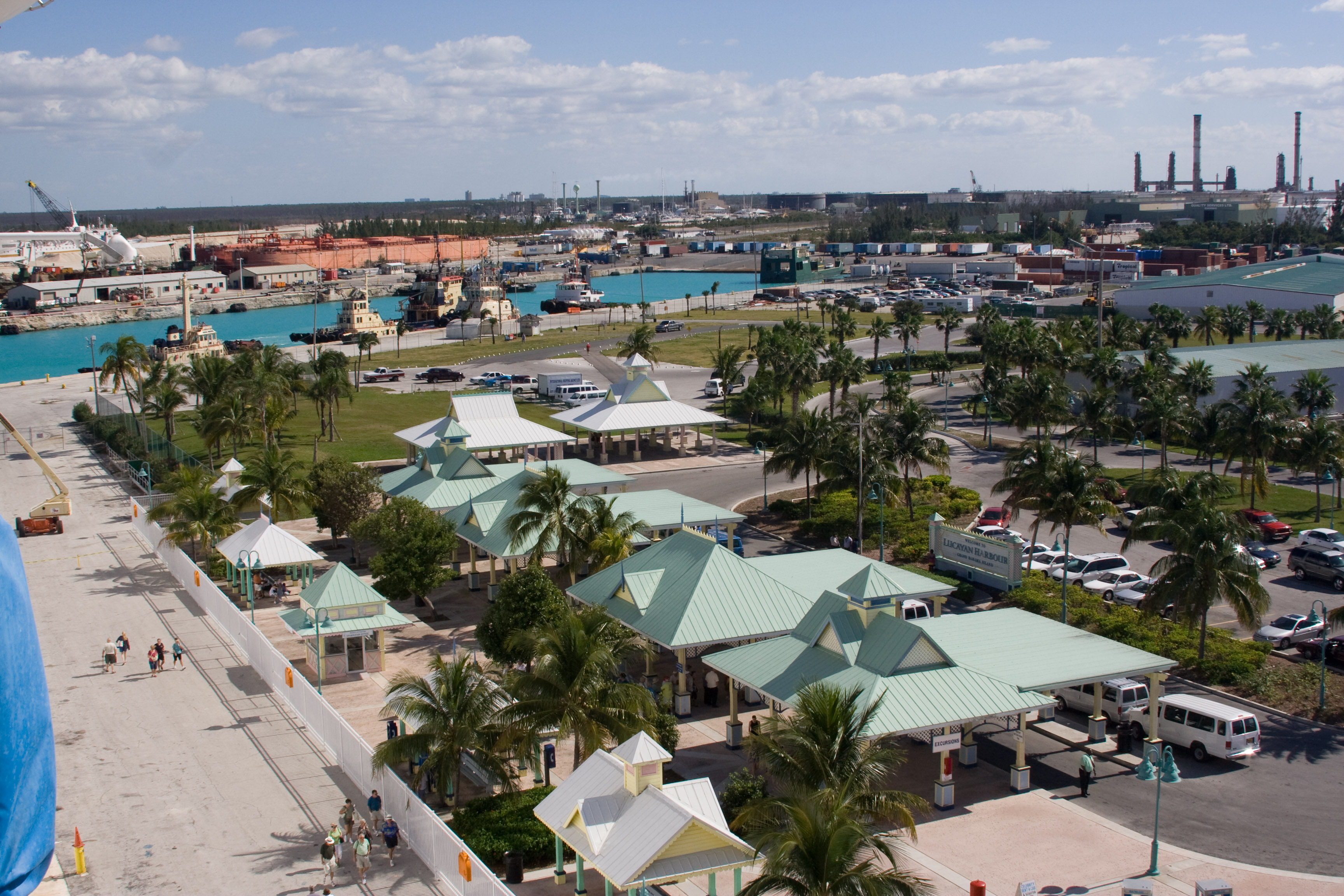
Major industrial and tourism hub. Very high expat infrastructure and safety in Lucaya.
Pros
- ✓ Tax free
- ✓ Stunning beaches
- ✓ English speaking
Cons
- ✗ High hurricane risk
- ✗ Expensive utilities
- ✗ Industrial pockets
🛂 Visa Options for Bahamas
Many long-stay visas require proof of health insurance. Compare international health plans before you apply.
Compare health insuranceWe may earn a commission at no cost to you.
Not sure which Bahamas visa you qualify for?
Answer 10 questions and get a personalized match in under 2 minutes.
Could living/working in Freeport cut years off your work life?
With a 1-bedroom in the center at $633/mo, your FIRE number here might be much lower than you think.
Moving to Freeport? Estimate what an international move would cost and compare mover quotes.
Estimate my move costShare This Guide
Freeport won't stay this cheap forever.
Cost-of-living and visa updates for Freeport and the rest of Bahamas. Free with RA Postcards.
By submitting your email address, you will receive a free subscription to RA Postcards and special offers from Rewire Abroad and our affiliates. You can unsubscribe at any time, and we encourage you to read more about our Privacy Policy.