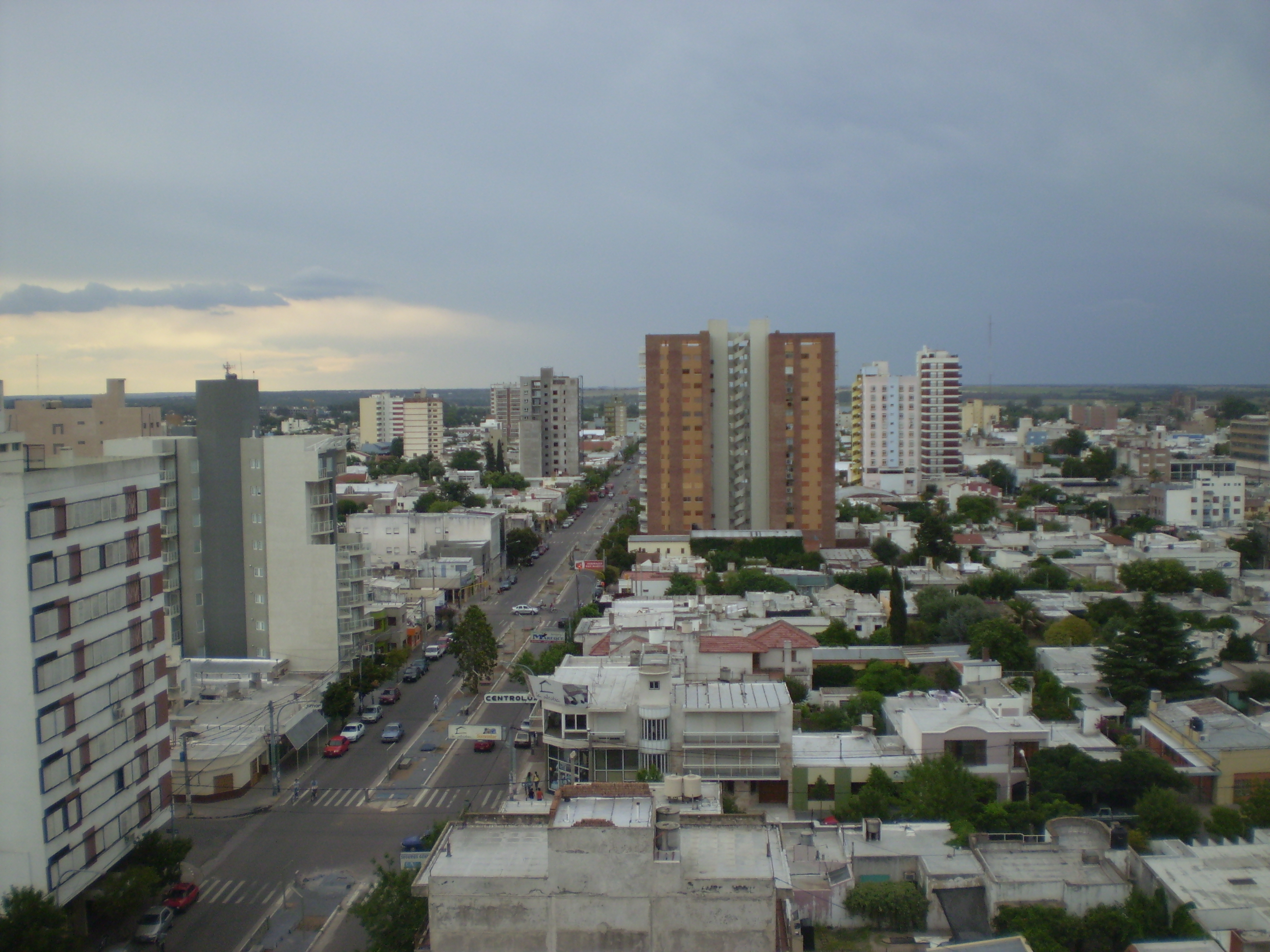
Santa Rosa, Argentina
Data updated Sep 3, 2026
📊 Scores
Agriculture and livestock dominate the economic landscape, with grain elevators, cattle ranches, and agricultural equipment dealers forming the backbone of local commerce. Government jobs provide steady employment as the provincial capital, while small-scale manufacturing and retail serve the regional market. The job market is limited for expats unless you're in agriculture, education, or have remote work — this isn't a tech hub or international business center. Most locals earn modest incomes tied to commodity cycles, and entrepreneurial opportunities exist mainly in serving the farming community.
Rent averages $350/month for a one-bedroom in the center, with utilities adding another $80-100. Public transport is basic — mostly buses connecting to nearby towns — so owning a car becomes essential for anything beyond city limits. Healthcare relies on public hospitals and a few private clinics, adequate for routine care but serious cases often require transfer to Buenos Aires. Spanish is mandatory; English speakers are rare outside tourism offices. Bureaucracy moves at typical Argentine pace, meaning patience and multiple visits for residency paperwork.
The climate swings from scorching 45°C summers to freezing -12°C winters, with strong Pampas winds year-round. Food centers on excellent beef and regional specialties, though international cuisine is limited to basic pizza and Chinese restaurants. Weekend activities involve asado gatherings, visits to nearby estancias, or drives to natural reserves. The expat community is virtually nonexistent — you'll be integrating with locals or staying isolated. This suits agricultural professionals, retirees seeking authentic Argentine small-town life, or remote workers who prioritize low costs over urban amenities.
🏚️ Cost of Living
💰 Budgets and Costs
Grocery Basket
Eating Out
Utilities & Lifestyle
Housing
💰 Real Spend Reports
🛡️ Safety & Crime
(Higher is safer)
(Lower is safer)
Santa Rosa is a relatively safe provincial city with a strong community feel and low violent crime rates—well-suited for expats seeking a quieter lifestyle. Main concerns are petty theft and occasional property crime in less affluent neighborhoods; avoid displaying valuables and use registered taxis or ride-apps after dark. The city lacks the gang violence and organized crime found in larger Argentine metros. Geopolitically stable with no significant expat-specific risks. A solid choice for remote workers or retirees prioritizing safety and affordability over urban amenities.
🏥 Healthcare
🌤️ Climate
Best Months
Climate Notes
Santa Rosa features a temperate climate with hot summers (38°C) and mild winters (-3°C), moderate humidity (60%), and is best suited for those comfortable with continental seasonal variation.
💻 Digital Nomad
Community Notes
| Name | Price/mo | Notes |
|---|---|---|
| Espacio Coworking Santa Rosa | $40 | A popular independent coworking space in Santa Rosa, known for its friendly atmosphere and focus on community. It's located in a central area, making it easily accessible, and offers basic amenities suitable for digital nomads. |
| Coworking La Pampa | $35 | This coworking space offers a relaxed environment and is well-suited for those looking for a budget-friendly option. Located in a convenient area of Santa Rosa, it provides a good base for remote work with essential facilities. |
Planning to live in Santa Rosa long-term? Argentina Digital Nomad Visa lets remote workers live legally with a minimum income of $2,000/month.
View full requirements →🧳 Expat Life
Expat Life Notes
Santa Rosa is the capital of La Pampa Province in Argentina, a flat agricultural service city in the Pampas. It has very limited expat infrastructure and is rarely a destination for foreign residents.
Pros
- ✓ Affordable
- ✓ Safe
- ✓ Agricultural economy
Cons
- ✗ Very limited English
- ✗ No expat community
- ✗ Flat and isolated
🛂 Visa Options for Argentina
Living on investment or passive income? Argentina Rentista Visa may be the right fit.
View full requirements →Earning over $2,000/mo? You may qualify for a Argentina visa.
Answer 10 questions and get a personalized match in under 2 minutes.
Could living/working in Santa Rosa cut years off your work life?
With a 1-bedroom in the center at $1345/mo, your FIRE number here might be much lower than you think.
Share This Guide
Santa Rosa won't stay this cheap forever.
Cost-of-living and visa updates for Santa Rosa and the rest of Argentina. Free with RA Postcards.
By submitting your email address, you will receive a free subscription to RA Postcards and special offers from Rewire Abroad and our affiliates. You can unsubscribe at any time, and we encourage you to read more about our Privacy Policy.