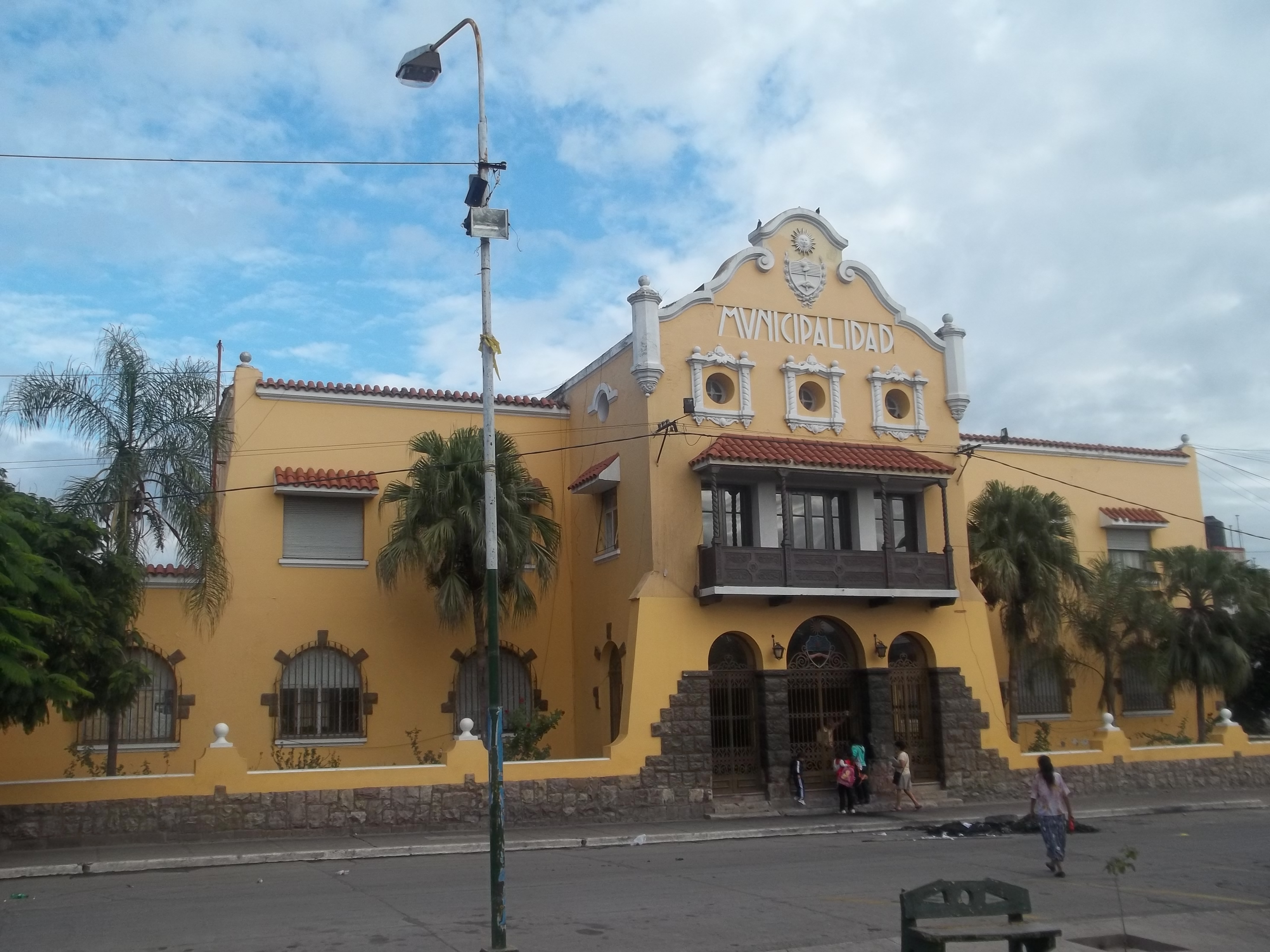
San Pedro de Jujuy sits in Argentina's subtropical highland region at 405 meters above sea level. The climate brings hot, humid summers from December to February that can reach 44 degrees Celsius, and mild, dry winters from June to August that drop to 5 degrees Celsius. Spring and autumn offer pleasant transitions ideal for outdoor activities. The city has a population of 72 thousand and operates in the America/Argentina/Jujuy timezone.
Living costs here are notably low. A single person's monthly expenses excluding rent come to $460/mo, while a family of four spends $1,450/mo excluding rent. Rent in the city centre runs $240/mo for a one-bedroom and $450/mo for a three-bedroom; outside the centre, a one-bedroom costs $180/mo and a three-bedroom $340/mo. Overall, a single adult on a budget tier spends $700/mo including rent, a mid-range tier totals $1,050/mo, and a comfortable tier reaches $1,450/mo. The cost of living index is 30 out of 100 compared to New York City.
Safety is moderate, with a safety index of 60 out of 100 and a crime index of 40 out of 100 (lower is safer). Healthcare quality is rated as fair, and the air quality index stands at 45 (lower is better). English proficiency is limited, so some Spanish will help in daily interactions.
For visas, Argentina offers the Rentista Visa requiring a minimum monthly income of $1,500/mo, and the Digital Nomad Visa requiring $2,000/mo. The nearest airport is JUJ, 29 kilometers away. With an overall expat score of 80 out of 100, a FIRE score of 80, a retiree score of 53, and a digital nomad score of 60, San Pedro de Jujuy suits budget-conscious expats and those pursuing financial independence, though retirees and digital nomads may find it less tailored to their needs.