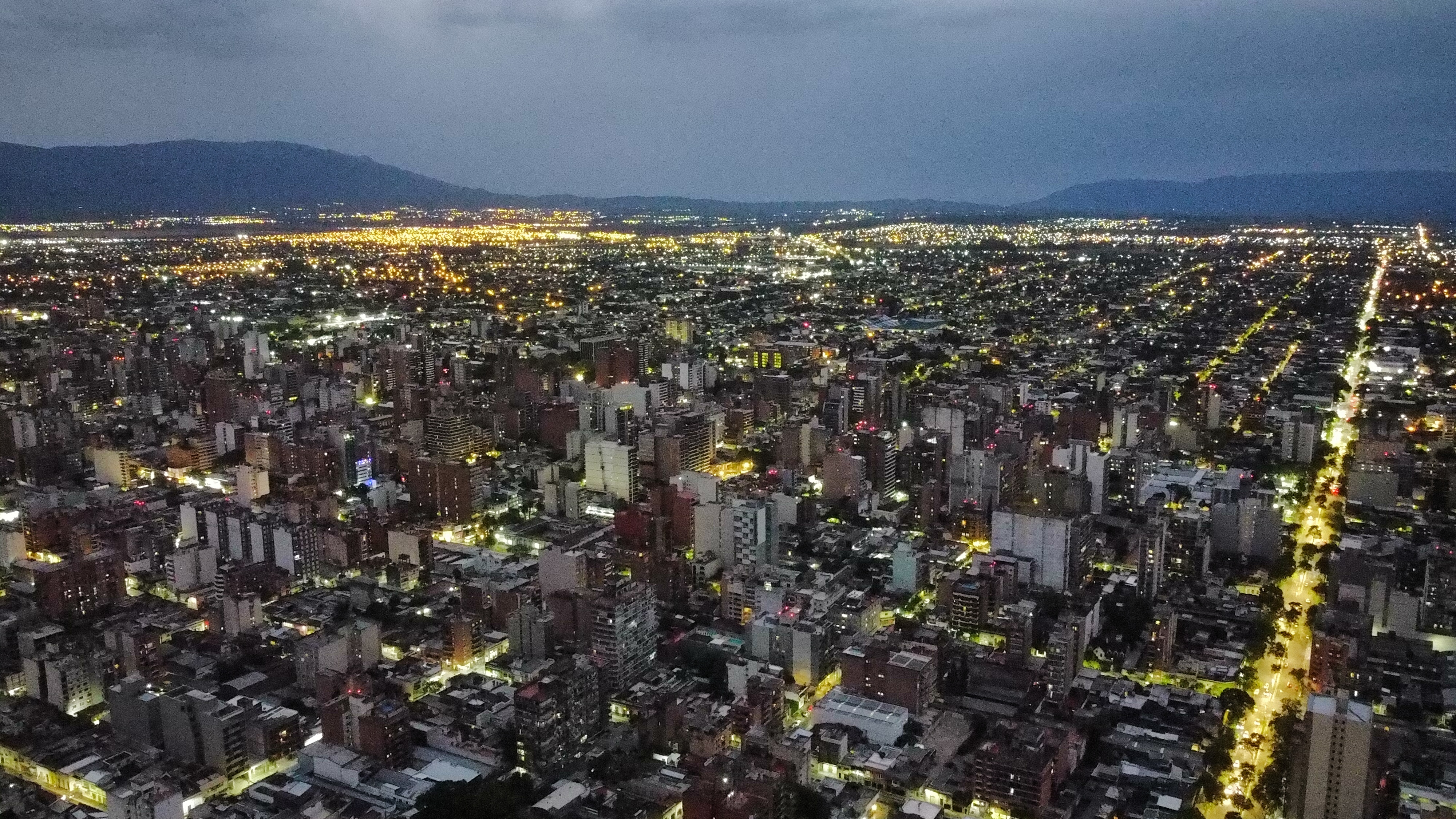
San Miguel de Tucumán, Argentina
Data updated Sep 3, 2026
📊 Scores
Best fit: FIRE / Geoarbitrage (score: 75)
Sugar built this city and still runs it. Tucumán sits at the economic core of Argentina's northwest, with sugarcane processing, tobacco, citrus, and rice farming dominating the provincial economy. The two universities — the National University of Tucumán and Saint Thomas Aquinas — employ thousands and keep a steady student population of roughly 100,000 flowing through the city. For remote workers and digital nomads, the local job market is largely irrelevant; for those needing local employment, options outside academia, agribusiness, and retail are limited.
A one-bedroom in the city center runs around $380/month, which is genuinely cheap even by Argentine standards. Inflation means peso-denominated costs shift constantly, so dollar-earners are well-positioned. Public transport exists but is unreliable; most residents use remises (private car services) for anything beyond walking distance. Healthcare access is reasonable — the National University hospital is a major facility — but private clinics are preferred by expats. Spanish is non-negotiable here; English proficiency is low outside university circles. Argentine bureaucracy for residency is slow and document-heavy regardless of where you land.
Summers are hot and genuinely humid — 30°C-plus with monsoonal downpours from November through March is not for everyone. Winters are mild and dry, which is when the city is most livable. The food scene leans heavily on northwestern Argentine cuisine: emptucumanas, locro, and grilled meats are everywhere and cheap. The expat community is small and not particularly organized — this isn't Mendoza or Buenos Aires. Weekends mean plazas, peñas (folk music gatherings), and day trips into the Tafí del Valle highlands. This city suits dollar-earning remote workers who want low costs, authentic Argentine life, and zero tourist infrastructure.
🏚️ Cost of Living
💰 Budgets and Costs
Grocery Basket
Eating Out
Utilities & Lifestyle
Housing
A 1BR in the center runs about $275/mo. If your income is in another currency, bank FX fees add up. A multi-currency account can cut that cost.
See low-fee transfersWe may earn a commission at no cost to you.
💰 Real Spend Reports
🛡️ Safety & Crime
(Higher is safer)
(Lower is safer)
San Miguel de Tucumán is moderately safe for expats, with a Security Index of 65 indicating reasonable stability for a provincial Argentine city. Main concerns include petty theft, pickpocketing in crowded areas, and occasional armed robbery in peripheral neighborhoods—avoid displaying valuables and stay alert in Centro after dark. Scams targeting foreigners are uncommon but occur. The city lacks the crime intensity of Buenos Aires or Rosario, making it viable for remote workers seeking a quieter lifestyle. Exercise standard urban precautions and you'll find it manageable; it's not a high-risk destination for established expats.
🏥 Healthcare
🌤️ Climate
Best Months
Climate Notes
Humid subtropical climate with hot summers and mild, dry winters.
💻 Digital Nomad
Community Notes
| Name | Price/mo | Notes |
|---|---|---|
| Work Inn Coworking | $60 | Located in the heart of San Miguel de Tucumán, Work Inn offers a professional environment with modern amenities. It's a good option for expats seeking a central location and a reliable workspace. |
| Regus Tucuman | $100 | As part of the Regus network, this location provides a consistent and professional coworking experience. Located on Avenida Avellaneda, it offers various workspace options and is suitable for those who prefer a globally recognized brand. |
Planning to live in San Miguel de Tucumán long-term? Argentina Digital Nomad Visa lets remote workers live legally with a minimum income of $2,000/month.
View full requirements →Working remotely from San Miguel de Tucumán? Nomad health insurance covers you across borders, month to month.
See nomad insuranceWe may earn a commission at no cost to you.
🧳 Expat Life
Expat Life Notes
A historic city in the North. Yerba Buena offers a more upscale, suburban lifestyle preferred by the few expats living here.
Pros
- ✓ Beautiful mountain backdrop
- ✓ Very low cost of living
- ✓ Vibrant nightlife
Cons
- ✗ High summer humidity
- ✗ Safety can be an issue
- ✗ Infrastructure needs improvement
🛂 Visa Options for Argentina
Many long-stay visas require proof of health insurance. Compare international health plans before you apply.
Compare health insuranceWe may earn a commission at no cost to you.
Living on investment or passive income? Argentina Rentista Visa may be the right fit.
View full requirements →Earning over $2,000/mo? You may qualify for a Argentina visa.
Answer 10 questions and get a personalized match in under 2 minutes.
Could living/working in San Miguel de Tucumán cut years off your work life?
With a 1-bedroom in the center at $275/mo, your FIRE number here might be much lower than you think.
Moving to San Miguel de Tucumán? Estimate what an international move would cost and compare mover quotes.
Estimate my move costShare This Guide
San Miguel de Tucumán won't stay this cheap forever.
Cost-of-living and visa updates for San Miguel de Tucumán and the rest of Argentina. Free with RA Postcards.
By submitting your email address, you will receive a free subscription to RA Postcards and special offers from Rewire Abroad and our affiliates. You can unsubscribe at any time, and we encourage you to read more about our Privacy Policy.