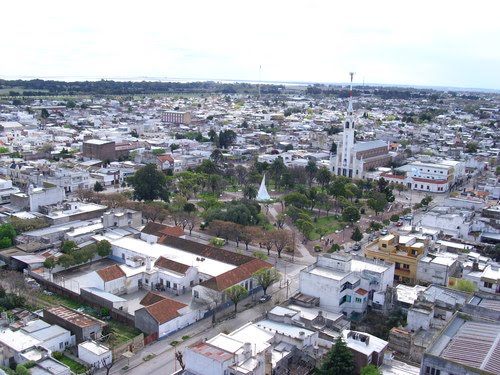
Punta Alta, Argentina
Data updated Sep 29, 2026
📊 Scores
Best fit: FIRE / Geoarbitrage (score: 80)
The economy runs on three pillars: Puerto Belgrano Naval Base (Argentina's largest military installation), Puerto Rosales grain export terminal, and the Centennial Wind Farm—one of South America's significant renewable energy projects. Ship maintenance, dry dock work, and agricultural commodity logistics dominate employment. The free trade zone adds some commercial activity, but this isn't a diversified job market. Remote work or existing income is realistic for most expats; local job hunting means competing in naval contracting or port operations.
Rent for a one-bedroom city center runs $480/month; utilities add another $80–120. The 1910 railway connects to Rosario and Buenos Aires, though buses are the daily transport. Healthcare is accessible—public hospitals exist, private clinics available—but Spanish fluency helps navigating bureaucracy. Residency paperwork is standard Argentine friction: expect 2–3 months for temporary residence, more for permanent. 81% of households have sewage access; infrastructure is solid but aging in places.
Temperate oceanic climate means mild winters and cool summers with Atlantic wind—good for kitesurfing and beach walks, less appealing if you hate perpetual maritime dampness. Food leans heavily on beef and pasta; fresh produce markets are decent. The expat community is tiny (mostly remote workers and retirees), so don't expect a social scene. Weekends mean beach time, Bahía Blanca day trips, or long drives inland. This suits people seeking genuine quiet, maritime work, or those who already have income and want low cost of living without tourist crowds.
Punta Alta works best for self-sufficient remote workers, naval industry professionals, or retirees prioritizing affordability and solitude over nightlife or expat infrastructure.
🏚️ Cost of Living
💰 Budgets and Costs
Grocery Basket
Eating Out
Utilities & Lifestyle
Housing
A 1BR in the center runs about $480/mo. If your income is in another currency, bank FX fees add up. A multi-currency account can cut that cost.
See low-fee transfersWe may earn a commission at no cost to you.
💰 Real Spend Reports
🛡️ Safety & Crime
(Higher is safer)
(Lower is safer)
Punta Alta is a relatively safe Argentine port city with a strong security index of 68, making it one of the safer options in the region. The main concerns are petty theft and occasional property crime rather than violent offenses. Avoid displaying valuables, use registered taxis or ride-sharing apps, and exercise standard urban caution in crowded areas. The city's smaller size and naval presence contribute to a stable environment. For an American considering relocation, this is a reasonable choice if you're comfortable with typical Argentine urban precautions and don't require a major metropolitan hub.
🏥 Healthcare
🌤️ Climate
Best Months
Climate Notes
Punta Alta has a temperate climate with hot, dry summers (36°C) and mild winters (-1°C), featuring moderate humidity and strong Atlantic winds that can be challenging for expats adjusting to coastal conditions.
💻 Digital Nomad
Community Notes
| Name | Price/mo | Notes |
|---|---|---|
| Espacio de Coworking Punta Alta | $40 | A local coworking space in Punta Alta, offering a friendly and collaborative environment. It's a good option for those looking for a budget-friendly and community-focused workspace. |
| Coworking Bahía Blanca (Nearby) | $60 | While technically in Bahía Blanca, it's the closest established coworking space to Punta Alta (approx. 30km). Offers a more professional setting with various amenities, suitable for digital nomads needing reliable infrastructure. |
Planning to live in Punta Alta long-term? Argentina Digital Nomad Visa lets remote workers live legally with a minimum income of $2,000/month.
View full requirements →Working remotely from Punta Alta? Nomad health insurance covers you across borders, month to month.
See nomad insuranceWe may earn a commission at no cost to you.
🧳 Expat Life
🛂 Visa Options for Argentina
Many long-stay visas require proof of health insurance. Compare international health plans before you apply.
Compare health insuranceWe may earn a commission at no cost to you.
Living on investment or passive income? Argentina Rentista Visa may be the right fit.
View full requirements →Earning over $2,000/mo? You may qualify for a Argentina visa.
Answer 10 questions and get a personalized match in under 2 minutes.
Could living/working in Punta Alta cut years off your work life?
With a 1-bedroom in the center at $288/mo, your FIRE number here might be much lower than you think.
Estimate the cost of moving to Punta Alta, Argentina
Get a free moving cost estimate for moving to Punta Alta, Argentina. Takes 10 seconds.
How much are you shipping?
When are you moving?
Powered by Sirelo. Free quotes from verified international movers.
Share This Guide
Punta Alta won't stay this cheap forever.
Cost-of-living and visa updates for Punta Alta and the rest of Argentina. Free with RA Postcards.
By submitting your email address, you will receive a free subscription to RA Postcards and special offers from Rewire Abroad and our affiliates. You can unsubscribe at any time, and we encourage you to read more about our Privacy Policy.