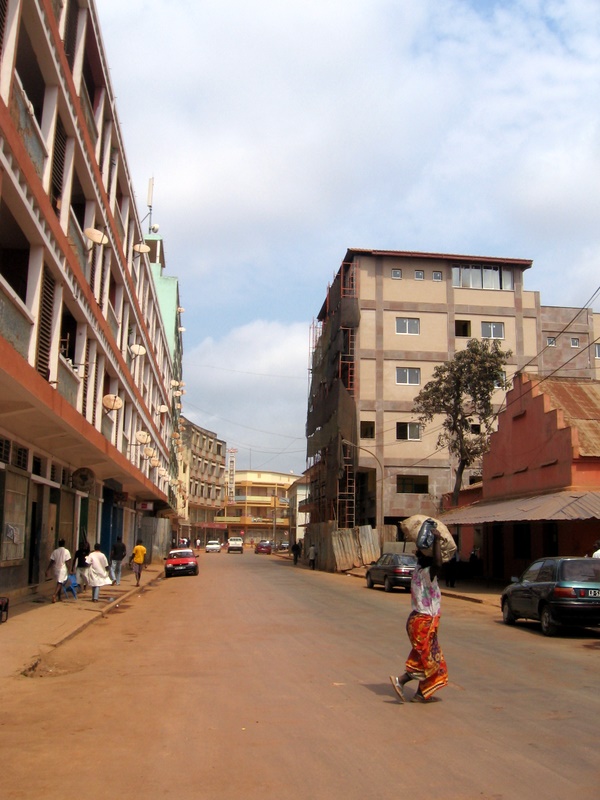
Uíge, Angola
Data updated Sep 3, 2026
📊 Scores
Best fit: FIRE / Geoarbitrage (score: 72)
Coffee is the economic backbone here — Uíge Province has been Angola's primary coffee-producing region since the 1950s, and that hasn't changed much. Smallholder Bakongo farmers and larger agricultural operations dominate the local economy, with cross-border trade with the Democratic Republic of Congo adding a secondary commercial layer given the shared northern border. Formal employment outside agriculture is thin: government administration, NGOs, and small-scale retail account for most non-farm work. Remote workers and digital nomads will find essentially no infrastructure built around them.
A one-bedroom in the city center runs around $380/month, which sounds reasonable until you account for what you're getting. Internet connectivity is unreliable and slow by any standard that supports remote work. Healthcare is a serious concern — the province has limited medical facilities, and the 2004–2005 Marburg hemorrhagic fever outbreak (374 cases, 88% fatality rate) exposed just how fragile the public health infrastructure is. Portuguese is the official language and English is rarely spoken. Bureaucracy for residency and business registration in Angola is notoriously slow and opaque even in Luanda; in Uíge, expect worse.
The climate is tropical highland — warm but not brutal, with a long rainy season that turns the province's famously inhospitable terrain into something genuinely difficult to navigate. Food is local and basic: cassava, beans, grilled meat, and whatever comes through the market. There is no meaningful expat community here, no international social scene, and weekend options are limited to nature, local markets, and cross-border day trips into DRC if you're adventurous. The safety index sits at 40, reflecting real risks. This city suits exactly one type of person: someone doing long-term agricultural development, humanitarian, or research work who has institutional support behind them.
🏚️ Cost of Living
💰 Budgets and Costs
Grocery Basket
Eating Out
Utilities & Lifestyle
Housing
A 1BR in the center runs about $380/mo. If your income is in another currency, bank FX fees add up. A multi-currency account can cut that cost.
See low-fee transfersWe may earn a commission at no cost to you.
💰 Real Spend Reports
🛡️ Safety & Crime
(Higher is safer)
(Lower is safer)
Uíge presents moderate-to-high safety concerns for expats. While not a conflict zone, petty theft, armed robbery, and carjacking occur regularly, particularly after dark and in less developed neighborhoods. Violent crime, though not epidemic, happens. The city lacks robust police presence and infrastructure. Expats should avoid displaying wealth, use trusted transportation, stay in established expat areas, and maintain low visibility. Healthcare and emergency services are limited. This is a challenging posting requiring security awareness and local networks—suitable only for those with prior developing-world experience and employer support.
Uíge has a safety index of 40/100. Petty theft and lost belongings are the most common problems for newcomers. Compare travel insurance before you go.
Compare travel insuranceWe may earn a commission at no cost to you.
🏥 Healthcare
🌤️ Climate
Best Months
Climate Notes
Tropical savanna climate with warm temperatures and a distinct dry season.
💻 Digital Nomad
Community Notes
| Name | Price/mo | Notes |
|---|---|---|
| Regus Uíge | $150 | Regus offers a reliable, professional environment in Uíge, likely located in the city center. It provides standard amenities like high-speed internet and meeting rooms, making it suitable for expats needing a consistent workspace. |
| Espaço Cowork Uíge | $100 | Espaço Cowork Uíge is a locally-owned coworking space that offers a more community-focused environment. It's a good option for digital nomads looking to connect with local entrepreneurs and professionals, and is located centrally for easy access. |
Working remotely from Uíge? Nomad health insurance covers you across borders, month to month.
See nomad insuranceWe may earn a commission at no cost to you.
🧳 Expat Life
Expat Life Notes
Uíge is a provincial capital in northwestern Angola, a coffee-growing region with a turbulent history during the civil war. It has no active expat community beyond occasional missionary and NGO workers. Infrastructure is limited and the city is rarely a destination for voluntary relocation. Portuguese is the sole working language.
Pros
- ✓ Very low cost of living
- ✓ Cooler highland climate
- ✓ Lush agricultural landscape
Cons
- ✗ No expat infrastructure
- ✗ No English spoken
- ✗ Poor healthcare
- ✗ Difficult road access
- ✗ History of instability
Could living/working in Uíge cut years off your work life?
With a 1-bedroom in the center at $380/mo, your FIRE number here might be much lower than you think.
Moving to Uíge? Estimate what an international move would cost and compare mover quotes.
Estimate my move costShare This Guide
Uíge won't stay this cheap forever.
Cost-of-living and visa updates for Uíge and the rest of Angola. Free with RA Postcards.
By submitting your email address, you will receive a free subscription to RA Postcards and special offers from Rewire Abroad and our affiliates. You can unsubscribe at any time, and we encourage you to read more about our Privacy Policy.