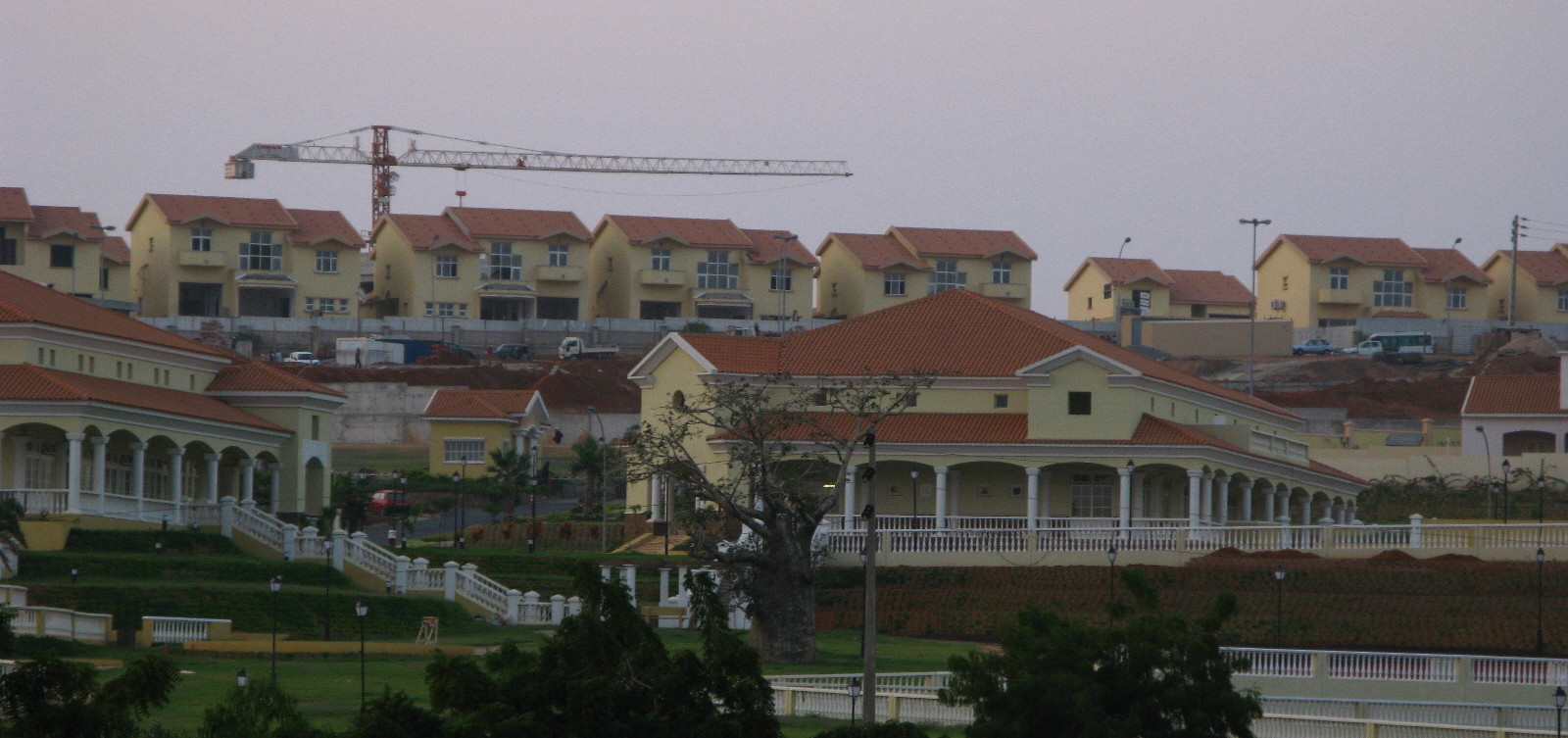
Talatona, Angola
Data updated Sep 3, 2026
📊 Scores
Best fit: Digital Nomad (score: 41)
Built from scratch in the early 2000s to absorb overflow from a congested Luanda, this planned satellite city runs largely on government payroll and oil-sector money. Relocated administrative offices and ministries are the dominant employers, supplemented by retail, logistics, and services catering to a fast-growing population now over 500,000. Remote workers and digital nomads will find almost no infrastructure built for them — no coworking culture, no startup scene. If you're not in oil, government contracting, or NGO work, earning a living here is genuinely difficult.
A $2,800/month one-bedroom in the city center is not a typo — Talatona is expensive by any regional standard, and the expat housing market is priced for oil executives on company packages. Portuguese is the official language and English penetration is low outside corporate environments, making daily errands genuinely frustrating without at least functional Portuguese. Healthcare is limited; serious medical issues typically require evacuation to South Africa or Portugal. Public transit barely exists — you need a car or you're dependent on informal minibuses called candongueiros. Bureaucracy for visas and residency is slow and opaque.
The tropical climate means heat and humidity year-round, with heavy rains October through April that regularly flood roads. Mussulo Bay and the nearby islands offer weekend escapes — boat trips, seafood, and beaches that are legitimately good when accessible. The expat community is real but insular, concentrated around oil companies and embassies, with social life revolving around private clubs and compound gatherings rather than open public spaces. The safety index of 40 reflects genuine petty crime risk that shapes how people move around. This city suits oil-industry professionals or government contractors on full expat packages — almost nobody else.
🏚️ Cost of Living
💰 Budgets and Costs
Grocery Basket
Eating Out
Utilities & Lifestyle
Housing
A 1BR in the center runs about $2800/mo. If your income is in another currency, bank FX fees add up. A multi-currency account can cut that cost.
See low-fee transfersWe may earn a commission at no cost to you.
💰 Real Spend Reports
🛡️ Safety & Crime
(Higher is safer)
(Lower is safer)
Talatona presents moderate-to-elevated safety concerns for expats. While not among Angola's most dangerous areas, petty theft, armed robbery, and carjacking occur regularly, particularly after dark and in less developed neighborhoods. Avoid displaying wealth, use registered taxis or ride-sharing apps, and stay in established expat enclaves like Talatona proper or Luanda's Miramar district. Gang activity and occasional violent crime exist but are typically not targeted at foreigners. The broader context of Angola's economic instability and limited police responsiveness means expats should maintain situational awareness and establish local networks. Feasible for remote workers with precautions, but requires realistic expectations about security infrastructure.
Talatona has a safety index of 40/100. Petty theft and lost belongings are the most common problems for newcomers. Compare travel insurance before you go.
Compare travel insuranceWe may earn a commission at no cost to you.
🏥 Healthcare
🌤️ Climate
Best Months
Climate Notes
Talatona has a tropical climate with warm, humid conditions year-round, hot summers (33°C) from November to March with heavy rainfall, and milder, drier winters (16°C minimum) from June to August.
💻 Digital Nomad
Community Notes
| Name | Price/mo | Notes |
|---|---|---|
| Regus Talatona Business Park | $250 | Located in the Talatona Business Park, this Regus offers a reliable and professional environment. It's a good option for expats seeking a familiar brand and standard amenities like meeting rooms and administrative support. |
| Regus Luanda Bay | $275 | While technically in Luanda, it's accessible from Talatona and offers a prime waterfront location. Regus Luanda Bay provides a professional setting with views, suitable for those who need a prestigious business address. |
| Business Center Talatona | $200 | Located in Talatona, this business center offers coworking spaces, private offices, and meeting rooms. It provides a convenient and professional environment for remote workers. |
Working remotely from Talatona? Nomad health insurance covers you across borders, month to month.
See nomad insuranceWe may earn a commission at no cost to you.
🧳 Expat Life
Expat Life Notes
Talatona is an upscale suburb south of Luanda that has become the preferred residential area for higher-income expats, particularly oil and gas workers and diplomats. It features gated condominiums, international schools, supermarkets with imported goods, and private medical clinics. It is one of the most functional expat enclaves in sub-Saharan Africa, though at significant cost.
Pros
- ✓ Best expat infrastructure in Angola
- ✓ Gated communities and private security
- ✓ International schools and clinics
- ✓ Supermarkets with imported goods
- ✓ Active expat social scene
Cons
- ✗ Extremely expensive by global standards
- ✗ Portuguese is the working language
- ✗ Far from central Luanda
- ✗ Limited public transport
Could living/working in Talatona cut years off your work life?
With a 1-bedroom in the center at $2800/mo, your FIRE number here might be much lower than you think.
Moving to Talatona? Estimate what an international move would cost and compare mover quotes.
Estimate my move costShare This Guide
Talatona won't stay this cheap forever.
Cost-of-living and visa updates for Talatona and the rest of Angola. Free with RA Postcards.
By submitting your email address, you will receive a free subscription to RA Postcards and special offers from Rewire Abroad and our affiliates. You can unsubscribe at any time, and we encourage you to read more about our Privacy Policy.