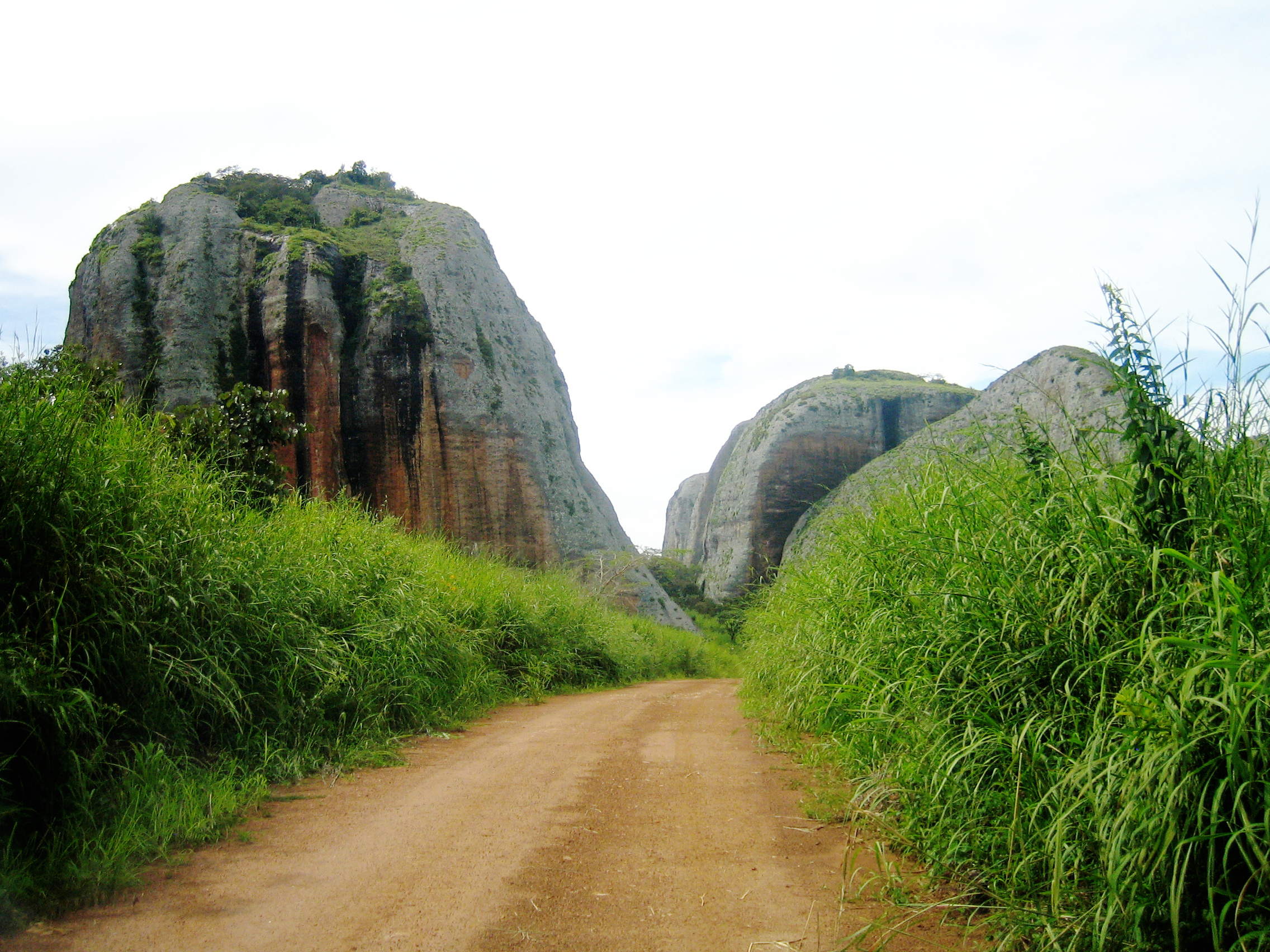
Malanje, Angola
Data updated Sep 3, 2026
📊 Scores
Best fit: FIRE / Geoarbitrage (score: 71)
Agriculture and extractive industries drive most of what happens economically in Malanje. Cotton and sugarcane were the colonial-era pillars, gutted by decades of civil war that ended in 2002, and recovery has been slow and uneven. A US$30 million Brazilian investment in maize and sugarcane around Pungo Andongo signals outside confidence, but formal employment remains thin. Diamond mining and manganese extraction exist in the province, though benefits rarely trickle into the city's street-level economy. Most residents work in subsistence farming, petty trade, or government administration.
A one-bedroom in the city center runs around $400/month — cheaper than Luanda but not the bargain it might appear given what you get. Healthcare infrastructure is genuinely limited; serious medical issues mean a 383-kilometer road trip to Luanda, which is not a smooth drive. Portuguese is the official language and essentially mandatory — English gets you nowhere here. Bureaucracy for residency and business registration in Angola is notoriously slow and opaque even by regional standards. Internet connectivity is unreliable outside central areas, and power cuts are routine.
The climate is plateau savannah — warm but not brutal, with a real rainy season from October through April. Weekends mean Kalandula Falls, the Pungo Andongo rock formations, or day trips into genuinely undeveloped bush. The food scene is local Angolan staples — muamba de galinha, funge, grilled fish — with almost no international restaurant options. The expat community is tiny and mostly tied to NGOs or agricultural development projects, not a self-sustaining social scene. Malanje suits people on specific development or research assignments who want deep immersion in rural Angola with zero hand-holding.
🏚️ Cost of Living
💰 Budgets and Costs
Grocery Basket
Eating Out
Utilities & Lifestyle
Housing
A 1BR in the center runs about $400/mo. If your income is in another currency, bank FX fees add up. A multi-currency account can cut that cost.
See low-fee transfersWe may earn a commission at no cost to you.
💰 Real Spend Reports
🛡️ Safety & Crime
(Higher is safer)
(Lower is safer)
Malanje presents moderate-to-high safety concerns for expats. While not among Angola's most dangerous cities, petty theft, armed robbery, and carjacking occur regularly, particularly after dark and in less developed neighborhoods. Avoid displaying wealth, walking alone at night, and traveling outside the city without local guidance. Gang activity and occasional violent crime exist but are not pervasive in expat-frequented areas. Infrastructure challenges and limited police responsiveness add to the risk profile. This city requires vigilance and local knowledge to navigate safely; it's suitable only for expats with prior emerging-market experience and strong situational awareness.
Malanje has a safety index of 40/100. Petty theft and lost belongings are the most common problems for newcomers. Compare travel insurance before you go.
Compare travel insuranceWe may earn a commission at no cost to you.
🏥 Healthcare
🌤️ Climate
Best Months
Climate Notes
Tropical savanna climate with mild temperatures due to elevation.
💻 Digital Nomad
Community Notes
| Name | Price/mo | Notes |
|---|---|---|
| Regus Malanje | $180 | Regus offers a reliable coworking option in Malanje, providing a professional environment with standard amenities like high-speed internet and meeting rooms. It's a good choice for expats seeking a familiar and structured workspace. |
| Espaco Cowork | $120 | Espaco Cowork is a locally owned coworking space in Malanje, offering a more community-focused vibe. It's a good option for digital nomads looking to connect with local entrepreneurs and professionals while enjoying basic amenities. |
Working remotely from Malanje? Nomad health insurance covers you across borders, month to month.
See nomad insuranceWe may earn a commission at no cost to you.
🧳 Expat Life
Expat Life Notes
Malanje is the capital of Malanje Province in north-central Angola. It is a mid-sized city that suffered heavily during the Angolan Civil War. Reconstruction has been ongoing. A handful of NGO workers and Portuguese business owners form the limited expat presence. Healthcare is basic and the city remains underserved relative to Luanda.
Pros
- ✓ Lower cost of living than Luanda
- ✓ Scenic Calandula waterfalls nearby
- ✓ Relatively peaceful since the civil war ended
Cons
- ✗ No English spoken
- ✗ Very limited expat community
- ✗ Basic healthcare
- ✗ Poor road infrastructure
Could living/working in Malanje cut years off your work life?
With a 1-bedroom in the center at $400/mo, your FIRE number here might be much lower than you think.
Moving to Malanje? Estimate what an international move would cost and compare mover quotes.
Estimate my move costShare This Guide
Malanje won't stay this cheap forever.
Cost-of-living and visa updates for Malanje and the rest of Angola. Free with RA Postcards.
By submitting your email address, you will receive a free subscription to RA Postcards and special offers from Rewire Abroad and our affiliates. You can unsubscribe at any time, and we encourage you to read more about our Privacy Policy.