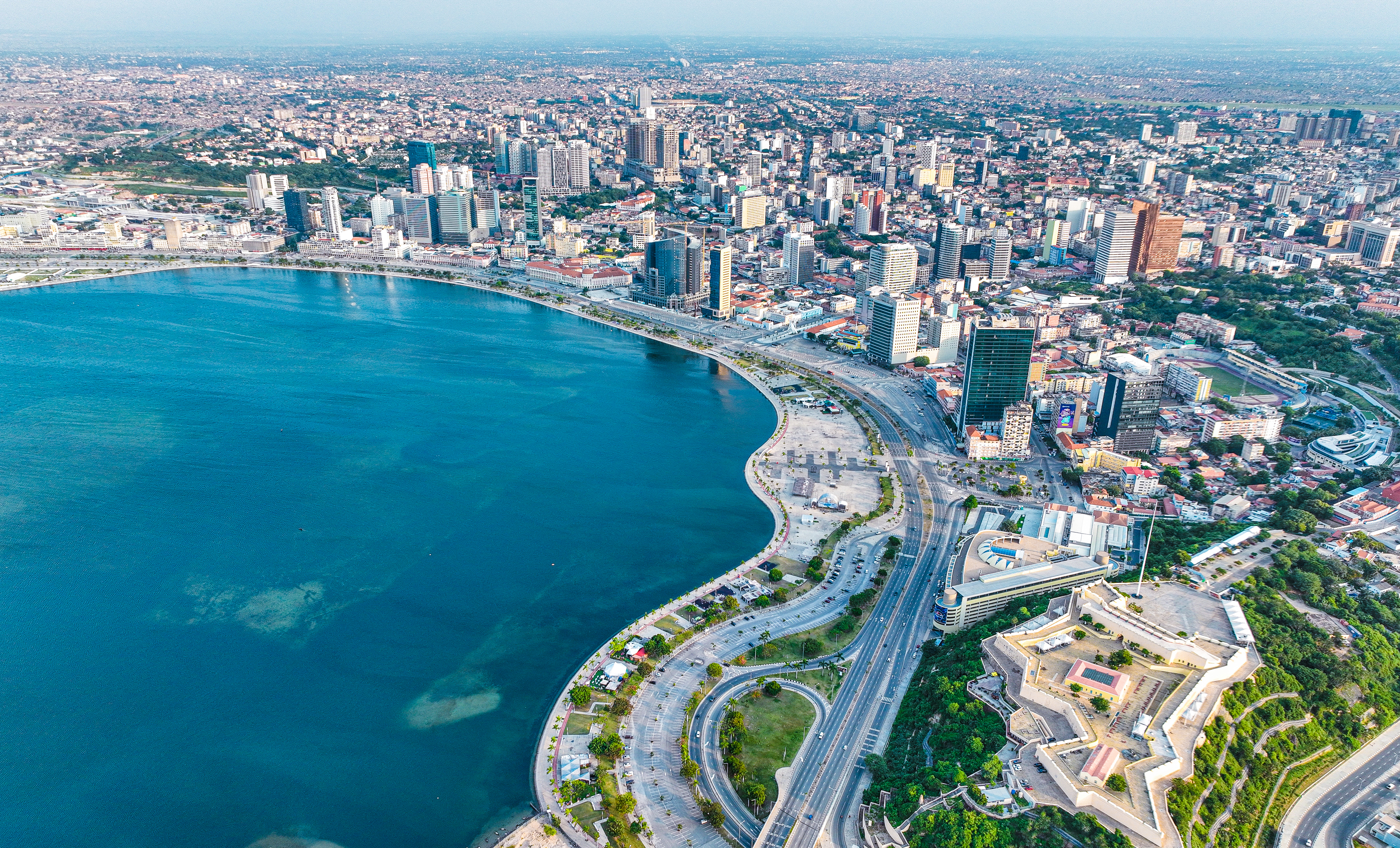
Luanda, Angola
Data updated Sep 3, 2026
📊 Scores
Best fit: Digital Nomad (score: 50)
Angola's oil sector dominates everything here. Luanda is the operational headquarters for companies like Chevron, TotalEnergies, and BP, plus a sprawling network of contractors, logistics firms, and service companies feeding the offshore industry. If you're not in oil and gas, you're likely in NGO work, diplomacy, or running a business that serves expats who are. The local job market for outsiders is almost entirely driven by corporate postings with hardship packages — very few people choose Luanda freelance or on a local salary.
The numbers are genuinely shocking: a one-bedroom in a secure city-center compound runs $3,500/month, and that's not an outlier. Groceries cost more than Western Europe because almost everything is imported. Healthcare is a serious concern — most expats fly to South Africa or Portugal for anything beyond basic treatment. Portuguese is the official language and English penetration is low outside corporate environments. Bureaucracy is heavy and corruption is real; visa extensions and residency paperwork routinely require a fixer or a patient lawyer.
Luanda sits on the Atlantic coast with a warm tropical climate year-round, but the city's infrastructure hasn't kept pace with its population — traffic is brutal, power cuts happen, and the beach areas, while genuinely attractive, require navigating significant inequality and a safety index of 47 that demands constant situational awareness. The expat community is real but insular, centered around compound pools, embassy events, and a handful of restaurants in Miramar. Weekends mean beach clubs, braais, and not much else. This city suits oil-industry professionals on a full expat package who want a high-earning posting and can tolerate isolation in exchange.
🏚️ Cost of Living
💰 Budgets and Costs
Grocery Basket
Eating Out
Utilities & Lifestyle
Housing
A 1BR in the center runs about $3500/mo. If your income is in another currency, bank FX fees add up. A multi-currency account can cut that cost.
See low-fee transfersWe may earn a commission at no cost to you.
💰 Real Spend Reports
🛡️ Safety & Crime
(Higher is safer)
(Lower is safer)
Luanda presents moderate safety challenges for expats. While not extremely dangerous, petty theft, armed robbery, and carjacking occur regularly, particularly in poorer neighborhoods and after dark. Avoid Cazenga, Sambizanga, and Rangel districts; stick to Talatona, Miramar, and central business areas. Expats typically live in gated compounds with security. Scams targeting foreigners include inflated taxi fares and counterfeit currency. Political stability is generally stable, but occasional protests occur. The main risk is opportunistic crime rather than organized violence. Feasible for expats with street awareness and proper precautions, but requires accepting a security-conscious lifestyle.
Luanda has a safety index of 47/100. Petty theft and lost belongings are the most common problems for newcomers. Compare travel insurance before you go.
Compare travel insuranceWe may earn a commission at no cost to you.
🏥 Healthcare
🌤️ Climate
Best Months
Climate Notes
Hot semi-arid climate; influenced by the cool Benguela Current, leading to low rainfall.
💻 Digital Nomad
Community Notes
| Name | Price/mo | Notes |
|---|---|---|
| Regus Luanda | $350 | Regus offers a reliable and professional coworking environment in Luanda. With multiple locations, including one in the city center, it provides a convenient option for expats seeking a familiar and well-equipped workspace. |
| Ideas Hub Luanda | $200 | Ideas Hub is a popular coworking space in Luanda, known for its vibrant community and entrepreneurial focus. It offers various membership options and is a great place to network with local startups and professionals. |
Working remotely from Luanda? Nomad health insurance covers you across borders, month to month.
See nomad insuranceWe may earn a commission at no cost to you.
🧳 Expat Life
Expat Life Notes
An extremely expensive city for expats, primarily serving the oil and gas industry. Infrastructure and safety are major hurdles.
Pros
- ✓ High salaries for expats
- ✓ Vibrant local music and food
- ✓ Beautiful coastal areas
Cons
- ✗ Prohibitively high cost of living
- ✗ Infrastructure challenges
- ✗ Safety concerns
Could living/working in Luanda cut years off your work life?
With a 1-bedroom in the center at $3500/mo, your FIRE number here might be much lower than you think.
Moving to Luanda? Estimate what an international move would cost and compare mover quotes.
Estimate my move costShare This Guide
Luanda won't stay this cheap forever.
Cost-of-living and visa updates for Luanda and the rest of Angola. Free with RA Postcards.
By submitting your email address, you will receive a free subscription to RA Postcards and special offers from Rewire Abroad and our affiliates. You can unsubscribe at any time, and we encourage you to read more about our Privacy Policy.