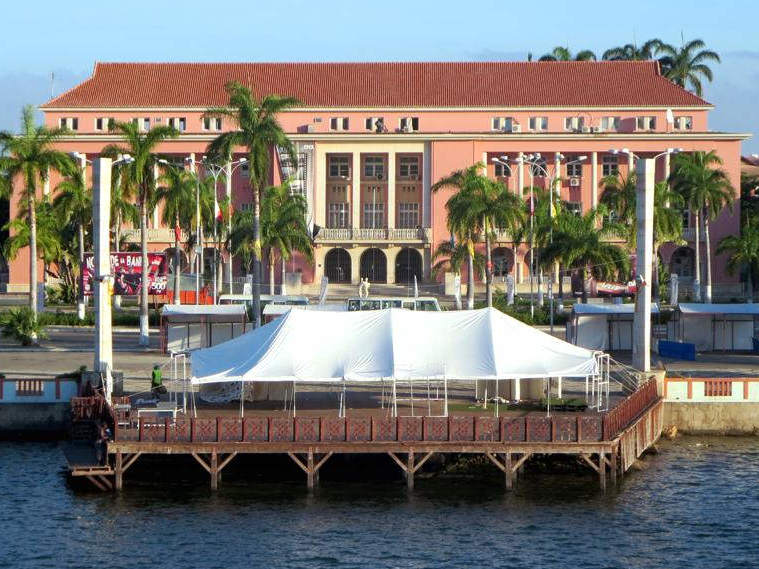
Lobito, Angola
Data updated Sep 3, 2026
📊 Scores
Best fit: FIRE / Geoarbitrage (score: 59)
Port operations dominate everything here, with the harbor handling 2 million tonnes of cargo annually and employing thousands in logistics, shipping, and customs. The Benguela Railway terminus creates additional transport jobs, while fishing and emerging tourism provide secondary income streams. Post-war reconstruction since 2002 has rebuilt infrastructure, but most well-paying positions require Portuguese fluency and connections to shipping companies or government contracts. Expats typically work in maritime consulting, oil services, or NGO roles.
Expect to pay $900/month for a decent one-bedroom in the center, which is steep given local wages but reflects the oil economy pricing. Portuguese is essential—English gets you nowhere in government offices or daily transactions. Healthcare is basic; serious medical issues mean flying to Luanda or South Africa. The nearest airports are 13-33km away in Catumbela or Benguela. Bureaucracy moves at glacial speed, and power outages are routine despite recent infrastructure improvements.
The climate stays consistently warm with dry winters and wet summers, perfect for beach life along the protected harbor. Lobito's famous carnival brings serious energy once a year, but day-to-day entertainment is limited to a few restaurants and beach bars. The expat community is tiny—maybe a few dozen foreigners total, mostly in shipping or development work. Weekends mean beach time, fishing, or drives to Benguela for better dining options. This works for maritime professionals who value a quiet coastal base over urban amenities.
🏚️ Cost of Living
💰 Budgets and Costs
Grocery Basket
Eating Out
Utilities & Lifestyle
Housing
A 1BR in the center runs about $900/mo. If your income is in another currency, bank FX fees add up. A multi-currency account can cut that cost.
See low-fee transfersWe may earn a commission at no cost to you.
💰 Real Spend Reports
🛡️ Safety & Crime
(Higher is safer)
(Lower is safer)
Lobito presents moderate safety challenges typical of Angola's port cities. Petty theft, armed robbery, and carjacking occur, particularly after dark and in less developed neighborhoods. Avoid displaying wealth, walking alone at night, and traveling outside the city without local guidance. The port area and informal settlements warrant extra caution. While violent crime against expats is uncommon, opportunistic theft is frequent. Expats should maintain situational awareness, use trusted transportation, and stay informed through local networks. The city is manageable for experienced expats with proper precautions, but not ideal for those seeking a relaxed, low-stress environment.
Lobito has a safety index of 50/100. Petty theft and lost belongings are the most common problems for newcomers. Compare travel insurance before you go.
Compare travel insuranceWe may earn a commission at no cost to you.
🏥 Healthcare
🌤️ Climate
Best Months
Climate Notes
Lobito has a tropical climate with warm summers (33°C) and mild winters (16°C), high humidity year-round (80%), and a dry season from May to September ideal for avoiding the rainy months.
💻 Digital Nomad
Community Notes
| Name | Price/mo | Notes |
|---|---|---|
| Regus Lobito | $250 | Located in a central business area of Lobito, Regus offers a professional environment with reliable internet, meeting rooms, and administrative support. It's a solid choice for expats seeking a familiar and structured workspace. |
| Ideas Hub Lobito | $180 | While primarily an incubator, Ideas Hub likely offers coworking options. It is a good option for digital nomads looking to connect with local entrepreneurs and innovators in a collaborative environment. |
Working remotely from Lobito? Nomad health insurance covers you across borders, month to month.
See nomad insuranceWe may earn a commission at no cost to you.
🧳 Expat Life
Expat Life Notes
Lobito is one of Angola's most beautiful port cities. It has a small expat population involved in mining exports (Benguela Railway) and shipping.
Pros
- ✓ Restinga sandspit scenery
- ✓ Art deco architecture
- ✓ Port economic potential
Cons
- ✗ Very slow lifestyle
- ✗ Limited Western products
- ✗ Health facilities are basic
Could living/working in Lobito cut years off your work life?
With a 1-bedroom in the center at $720/mo, your FIRE number here might be much lower than you think.
Moving to Lobito? Estimate what an international move would cost and compare mover quotes.
Estimate my move costShare This Guide
Lobito won't stay this cheap forever.
Cost-of-living and visa updates for Lobito and the rest of Angola. Free with RA Postcards.
By submitting your email address, you will receive a free subscription to RA Postcards and special offers from Rewire Abroad and our affiliates. You can unsubscribe at any time, and we encourage you to read more about our Privacy Policy.